Abuja Declaration

ABUJA DECLARATION

Senior African Policy Makers Reaffirm the Critical Role of Agriculture and Food Policies for Nutrition Outcomes in Africa

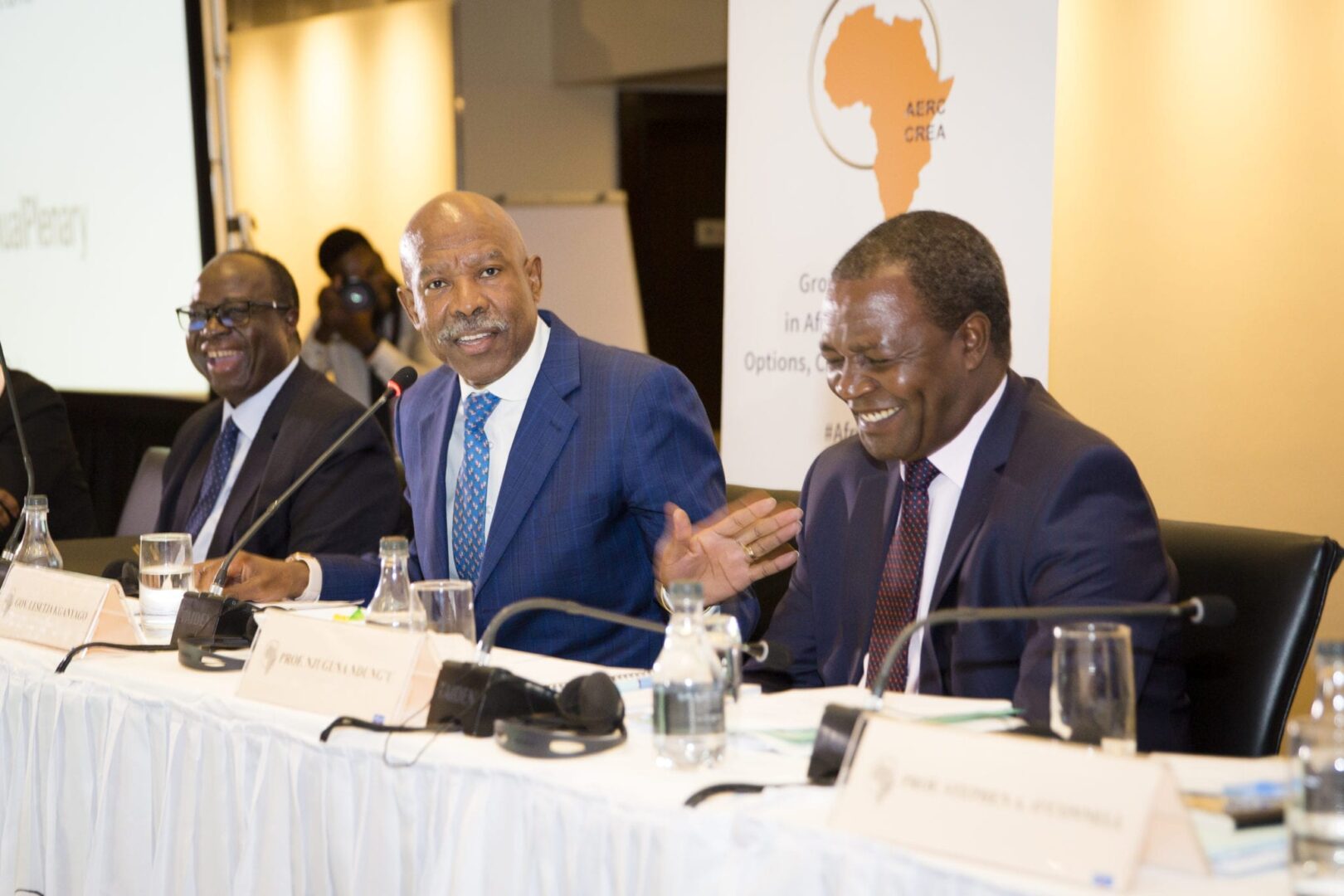
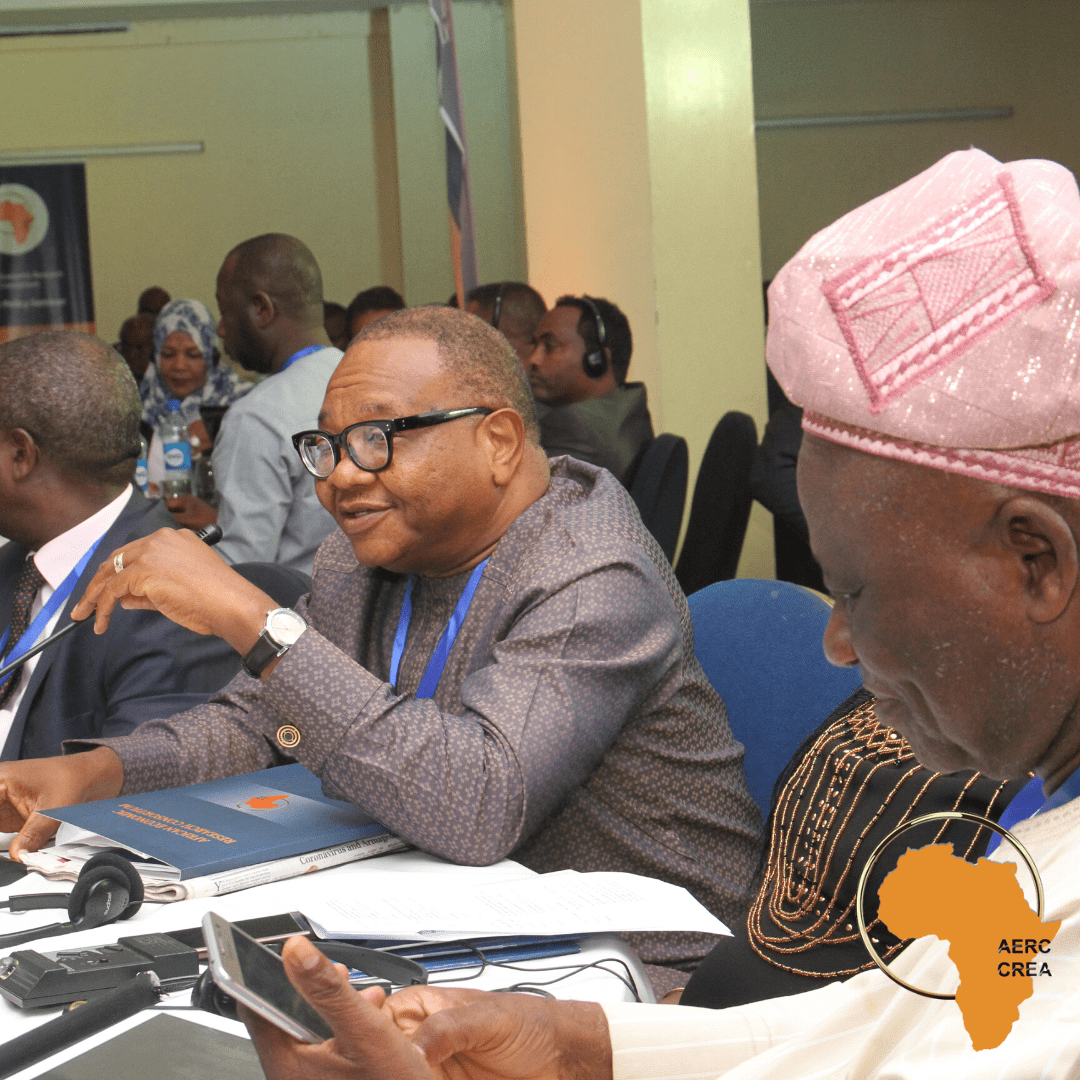
At a Senior Policy Seminar held in Abuja, Nigeria on 10 March 2020, and hosted by the African Economic Research Consortium (AERC) in partnership the Central Bank of Nigeria (CBN) and supported by the Bill and Melinda Gates Foundation (BMGF) focusing on the theme, “Agriculture and Food Policies for Improved Nutrition Outcomes in Africa,” senior policy makers from around the continent adopted a declaration as an affirmation of their strong commitment to supporting agricultural and food systems for enhanced human capital development.

We African Senior Policy Makers assembled at the AERC Senior Policy Seminar,

Affirming that food and nutrition security is part of a larger nexus of development challenges and opportunities,

Recognizing that making agriculture more nutrition-sensitive ought to be promoted as a sustainable solution to the triple burden of malnutrition (undernutrition, overnutrition and micronutrient deficiency) facing African countries,

Further recognizing the implications of ongoing demographic, epidemiologic and nutrition transitions as well as their implications and consequences for Africa’s malnutrition burden on child mortality, education outcomes, healthcare system and labour productivity,

Commending governments across Africa for realizing the importance of increasing shares of national budgets to agriculture, health and nutrition,

Noting that appropriate incentives and nutrition education are critical for households to consume appropriate diets and adopt productivity as well as income-enhancing technologies and practices that drive agricultural development and broader economic and social transformation,

Further noting that several structural conditions generate obstacles to such increased consumption and adoption, most notably inadequate early-life nutrition, food prices, affordability and accessibility of nutritious foods through the life cycle, low income and education levels, including critical information gaps,

Mindful that the nutritional needs of women and children require special attention,

Also mindful of the need to address expanded access to land through secure tenure,credit, markets, and financial services,

Appreciating the urgent need for policy reforms and institutional innovation to overcome these obstacles, with an emphasis on stronger implementation,

Acknowledging the importance of tackling problems related to the triple burden of malnutrition through an explicitly integrated approach focusing on agriculture, rural development and food security,

  1. Affirm that preventing malnutrition and improving nutrition requires a multi- sectoral and integrated approach to implementing nutrition-sensitive agriculture and food security policies and strategies, engaging multi- stakeholders and promoting their concerted actions, and responding effectively to the challenges, and that Central Banks can play a critical role in furthering inclusion of households and small-scale enterprises in financial markets;
  2. Commend the partnership between African Economic Research Consortium (AERC) and partner development agencies and institutions to strengthen the evidence base for policy and programme design and implementation for tackling malnutrition, urging them to continue to work to develop a practical, but cutting-edge Research and Development agenda to address policy and programming challenges on accelerating better nutrition outcomes;
  3. Take note of the promise of improving early life nutrition, diet quality, food environments as well as increasing income and education as approaches towards encouraging African households to enhance their nutrition status and well-being;
  4. Commit to create enabling environments for adoption of yield-enhancing technologies, seize market opportunities, raise incomes and enhance nutritional status and well-being, and
  5. Further commit to undertake consultations within our own Governments, both national and sub-national, to explore scope for employing demand-led approaches within public food procurement programmes, thereby promoting healthy diets, nutritional outcomes and human capital development for inclusive and sustainable growth and broader transformation.

Alumni Achievements

ALUMNI ACHIEVEMENTS: RECENT APPOINTMENTS IN LIBERIA, NIGERIA AND SOUTH AFRICA

Deputy Governor for Economic Policy of Central Bank of Liberia, Chief Economic Advisor for Oyo State in Nigeria, and Member Appointment, Presidential Economic Advisory Council, South Africa

Please join us in congratulating alumni Dr. Musa Dukuly and Dr. Musibau Babatunde on their appointments, and our founder Professor Benno Ndulu.

If you are an alumni of our research, training our policy outreach programmes, please visit our alumni page to join our network.

Dr Musa Dukuly

AERC Research Member Appointed as Deputy Governor of Liberia

The President of Liberia, His Excellency Dr. George Manneh Weah, on 18 June 2019, nominated Dr. Musa Dukuly as Deputy Governor of the Central Bank of Liberia for Economic Policy. He was successfully confirmed by the Senate in July 2019 and officially appointed to commence duty at the Bank, where he has so far exhibited exuberance, full commitment and professionalism in the handling of responsibilities.

Prior to his appointment, Dr. Dukuly served as Principal Economist with the ECOWAS West African Monetary Agency (WAMA), based in Freetown, Sierra Leone. He joined WAMA in March 2013 as Senior Economist, rising through the ranks to become a Principal Economist with the assigned responsibilities of performing macroeconomic assessments to Cabo Verde, Gambia, Ghana, Liberia, Nigeria and Sierra Leone under the ECOWAS Monetary Cooperation Programme (EMCP) to inform the Multilateral Convergence Mechanism of the region.

He previously worked as National Consultant on the Poverty Reduction Strategy of Liberia, especially on the Poverty Diagnostics (PD), Participatory Poverty Assessment (PPA), through the United Nations Development Programme (UNDP) that engendered the process of debt waiver for Liberia in 2010. Essentially, he played economic advisory role to Madam Ellen Johnson Sirleaf at the Ministry of State (2011-2013) through the John Snow Institute Scott Fellowship.

Dr Dukuly obtained his Doctor of Philosophy (PhD) degree in Economics from the University of Nairobi in 2012 with the focus of his thesis on financial development of SMEs in post-war environment, significantly investigating the simultaneous factors of the qualitative and quantitative drivers of SMEs credit participation, identifying diverse credit constraints and eliciting factor for credit default. He served as a part-time lecturer of development economics at the University of Nairobi in Kenya (2010-2011), United Methodist University (Liberia) in 2012 and full time at the University of Liberia (2007-2012).

He is a research network member of Africa’s top economic think tank research group, African Economic Research Consortium, Nairobi, Kenya with a publication entitled: Access to Credit in Urban Liberia: Double Hurdle Approach and also accredited with other discussion papers, including, Macroeconomic Implications of Ebola: Peripheral View on Liberia (TLC Africa/Perspectives, 2015), Credit Transmission Mechanism of Liberia’s Central Bank: Is it Pro- poor? (Theoretical Discussion, Perspectives-2013), Liberia’s Middle Income Momentum: Ten Economic Commandments (March, 2013); Liberia Economic Nationalism: Be Wary of Salary Increment (Observer 2012), Staggering from Inflation and Mounting Deficits in Liberia: Non- parametric Analysis (2012); Envisioning Liberia’s Development Vision: Pre-conditioning Perspective (TLCAFRICA).

Gov Seyi Makinde of Oyo State, Nigeria, has approved the appointment of Dr Musibau Babatunde, an Economist from the University of Ibadan, as his Chief Economic Adviser

“Mr Taiwo Adisa, the governor’s Chief Press Secretary, said in a statement on Tuesday in Ibadan that the appointment was with “immediate effect”. The News Agency of Nigeria (NAN) reports that the governor’s 4-point Development Agenda is aimed at expanding the economic frontiers of the state. Adisa said that the governor’s appointment of an economic adviser, was to enhance the successes already achieved and help to turn around the economy of the state.

Dr. Musibau Babatunde is a recipient of the African Economic Research Consortium (AERC), Nairobi, Collaborative PhD Scholarship Award for African Scholars.”

Dr Musibau Babatunde
Professor Benno Ndulu

Former Bank of Tanzania Governor Professor Ndulu Appointed Economic Advisor of South African President

“South African President Cyril Ramaphosa on Friday, September 27, appointed former Bank of Tanzania (BoT) governor Professor Benno Ndulu as a member of the new Presidential Economic Advisory Council. Professor Ndulu is best known for his involvement in setting up and developing one of the most effective research and training networks in Africa, African Economic Research Consortium.”

Senior Policy Seminar XXI Report

SENIOR POLICY SEMINAR REPORT: FRAGILITY OF GROWTH IN AFRICAN ECONOMIES

AERC’S Senior Policy Seminar XXI, that was partly funded under the International Development Research Centre (IDRC) grant, was a resounding success. The conference took place in Harare, Zimbabwe, which was fitting given the progress the country is making after the economic crisis it went through for several years. The country’s protracted fiscal imbalances have constrained development expenditure and social service provision, undermining poverty reduction efforts. Unemployment pressures have been mounting as employment opportunities continue to dwindle. Zimbabwe has opportunities requiring minimal additional investment to realize medium-term growth targets. This was the twenty first senior policy seminar in the series, and the event was hosted in partnership with the Reserve Bank of Zimbabwe.

During the senior policy seminar, policy makers, researchers and other stakeholders engaged in uninterrupted deliberations on a set of important issues considered significant to policy in the region. In addition, the SPS provided a platform for a focused dialogue amongst African policy makers, thus facilitating peer learning and sharing of ideas and experiences. The seminar format insulates the policy makers from pressures related to their responsibilities and, thus, creates an environment for lively professional discourse on the selected theme. Furthermore, because the dialogue and deliberations are underpinned by solid and rigorous research by AERC network researchers, the SPS provides a window for AERC research to influence policy in the continent. At the same time, the SPS provides opportunities for AERC to receive feedback from policy makers on key policy-related issues requiring further research for informed policy making in viii Africa. The SPS thus provides an opportunity for the research to influence and advise policy making in the region.

Read the full report  https://aercafrica.org/wp-content/uploads/2019/07/SPS-XXI-REPORT-JUNE-2019.pdf

AERC Research Featured In an International Journal

AERC RESEARCH PUBLISHED BY WILEY

Wiley Special Issue: Fragility and Development in Africa

With the generous support of IDRC / CRDI, AERC research has been featured in a special issue of the Review of Development Economics: Fragility and Development in Africa, published by Wiley, they are:

The Anatomy of Fragile States in sub‐Saharan Africa: Understanding the interrelationship between fragility and indicators of well-being, by Andy McKay and Erik Thorbecke

Fragility and Development in Africa: An introduction, by Anke Hoeffler

Macroeconomic Consequences of State Fragility in sub‐Saharan Africa, by Chuku Chuku and Kenneth Onye

Post‐conflict Stabilization in Africa, by Anke Hoeffler

Growth in Fragile States in Africa: Conflict and post‐conflict capital accumulation, by Janvier D. Nkurunziza

The issue is open access and available at the link below.

https://onlinelibrary.wiley.com/toc/14679361/2019/23/3

50th Biannual Plenary and Research Workshop- Synopsis

50th Biannual plenary

and research workshop SYNOPSIS

Cape Town,  South Africa

2-6 June 2019

African Economic Research Consortium ( AERC ) is pleased to share the success of its Biannual Plenary and Research Workshop held in Cape Town, South Africa, 2-6 June 2019.

The Biannual is unique – combining learning-by-doing research, peer review, mentoring and networking to build and strengthen the capacity of early career African researchers. The workshop brought together many economists from around the African continent and globally fulfilling one of our major mandates – to strengthen local capacity for conducting independent, rigorous inquiry into problems facing the management of economies in sub-Saharan Africa.

The 50th Plenary Session

The first day of the workshop, Sunday 2 June 2019,  featured the 50th Plenary Session on Growing with Debt in African Economic Economies: Options, Challenge and Pitfalls.

Over 200 researchers, academics, policy makers, non-state actors and economists discussed the issue of growing with debt in African economies and the ramifications for development regionally and globally.

In case you missed the biannual plenary, the recordings can be found in the following links:
Part 1: https://www.facebook.com/aercafrica/videos/715150045580798/
Part 2: https://www.facebook.com/aercafrica/videos/450459632386336/

Three days of five concurrent sessions ran from 3-5 June 2019, with 6 June 2019 dedicated to technical sessions, where individual researchers interacted with resource persons , discussed their presentation and received feedback on improving the quality of their research.

The Concurrent Sessions

The five concurrent sessions of the Biannual started on Monday, 3 June 2019 and featured nearly 90 presentations of research proposals, work in progress documents, final reports and PhD thesis post-field reports.

The reports covered a wide range of topics that fit into the five focal areas of AERC’s thematic research programme:

  • Group A: Poverty, Labour Markets and Income Distribution
  • Group B: Macroeconomic Policy and Growth
  • Group C: Finance and Resource Mobilization
  • Group D: Production, Trade and Economic Integration
  • Group E: Agriculture, Climate Change and Natural Resource Management

The Biannual attracts over 200 researchers, academics, policy makers and other economists who participate in our Research and Training Programmes. It provides a forum for participants to meet within a worldwide network of professionals to address issues relevant for Africa’s economic development. They also provide an opportunity for monitoring the progress and quality of the various research projects sponsored by AERC.

Growing with Debt in African Economies: Options, Challenges and Pitfalls

50th Biannual plenary

and research workshop

Cape Town, South Africa

2-6 June 2019

African Economic Research Consortium (AERC) is pleased to announce the next Biannual Plenary and Research Workshop to be held in Cape Town, South Africa, 2-6 June 2019.
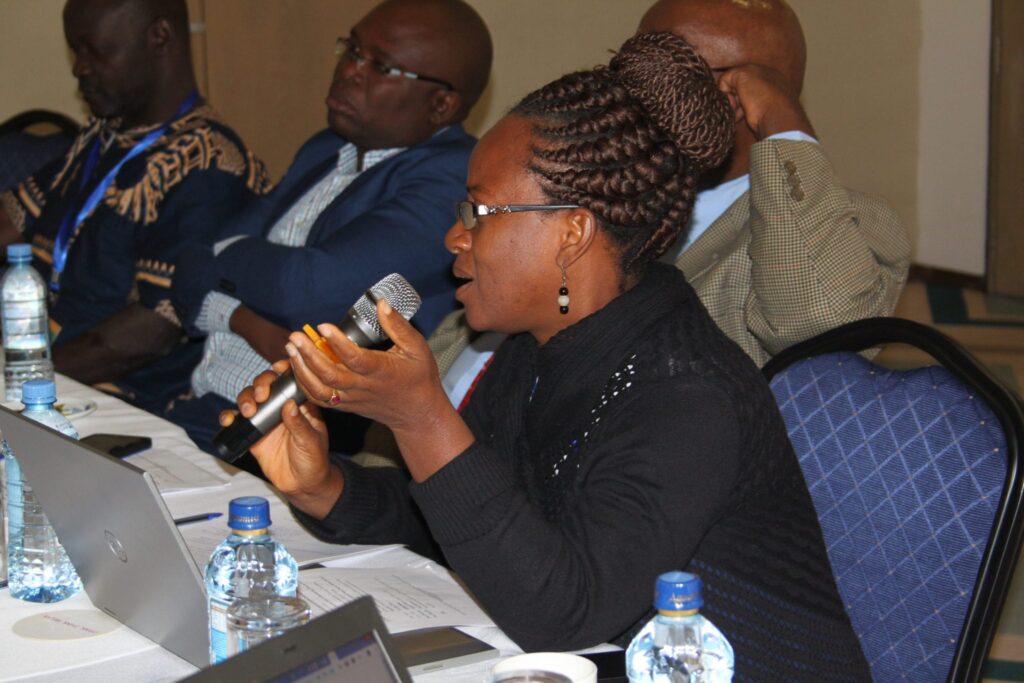
The Biannual is unique – combining learning-by-doing research, peer review, mentoring and networking to build and strengthen the capacity of early career African researchers. The workshop brings together many economists from around the African continent and globally fulfilling one of our major mandates – to strengthen local capacity for conducting independent, rigorous inquiry into problems facing the management of economies in sub-Saharan Africa.

AERC organizes two biannual research workshops annually in June and December. For full details, please visit our event portal: www.aercafricaevents.org

The 50th Plenary Session

The first day of the workshop, Sunday 2 June 2019, will feature the 50th Plenary Session on Growing with Debt in African Economic Economies: Options, Challenge and Pitfalls.

Over 200 researchers, academics, policy makers, non-state actors and economists will discuss the issue of growing with debt in African economies and the ramifications for development regionally and globally.

Three days of five concurrent sessions will run from 3-5 June 2019, with 6 June 2019 dedicated to technical sessions, where individual researchers interact with resource persons to discuss their presentation and to receive feedback on improving the quality of their research.

The Concurrent Sessions

The five concurrent sessions of the Biannual start on Monday, 3 June 2019 and will feature nearly 90 presentations of research proposals, work in progress documents, final reports and PhD thesis post-field reports.

The reports will cover a wide range of topics that fit into the five focal areas of AERC’s thematic research programme:

  • Group A: Poverty, Labour Markets and Income Distribution
  • Group B: Macroeconomic Policy and Growth
  • Group C: Finance and Resource Mobilization
  • Group D: Production, Trade and Economic Integration
  • Group E: Agriculture, Climate Change and Natural Resource Management

The Biannual attracts over 200 researchers, academics, policy makers and other economists who participate in our Research and Training Programmes. It provides a forum for participants to meet within a worldwide network of professionals to address issues relevant for Africa’s economic development. They also provide an opportunity for monitoring the progress and quality of the various research projects sponsored by AERC.

African Economic Research Consortium
Get in touch

3rd Floor, Middle East Bank Towers Building, Jakaya Kikwete Road, Nairobi, Kenya
Phone: +254 722 205272
+254 20 2734150
Fax: +254 20 2734170

Go Social
Subscribe to our Newsletter