
50th Biannual plenary
and research workshop
Cape Town, South Africa
2-6 June 2019
 African Economic Research Consortium (AERC) is pleased to announce the next Biannual Plenary and Research Workshop to be held in Cape Town, South Africa, 2-6 June 2019.
The Biannual is unique – combining learning-by-doing research, peer review, mentoring and networking to build and strengthen the capacity of early career African researchers. The workshop brings together many economists from around the African continent and globally fulfilling one of our major mandates – to strengthen local capacity for conducting independent, rigorous inquiry into problems facing the management of economies in sub-Saharan Africa.
AERC organizes two biannual research workshops annually in June and December. For full details, please visit our event portal: www.aercafricaevents.org
The 50th Plenary Session
The first day of the workshop, Sunday 2 June 2019, will feature the 50th Plenary Session on Growing with Debt in African Economic Economies: Options, Challenge and Pitfalls.
Over 200 researchers, academics, policy makers, non-state actors and economists will discuss the issue of growing with debt in African economies and the ramifications for development regionally and globally.
Three days of five concurrent sessions will run from 3-5 June 2019, with 6 June 2019 dedicated to technical sessions, where individual researchers interact with resource persons to discuss their presentation and to receive feedback on improving the quality of their research.
 The Concurrent Sessions
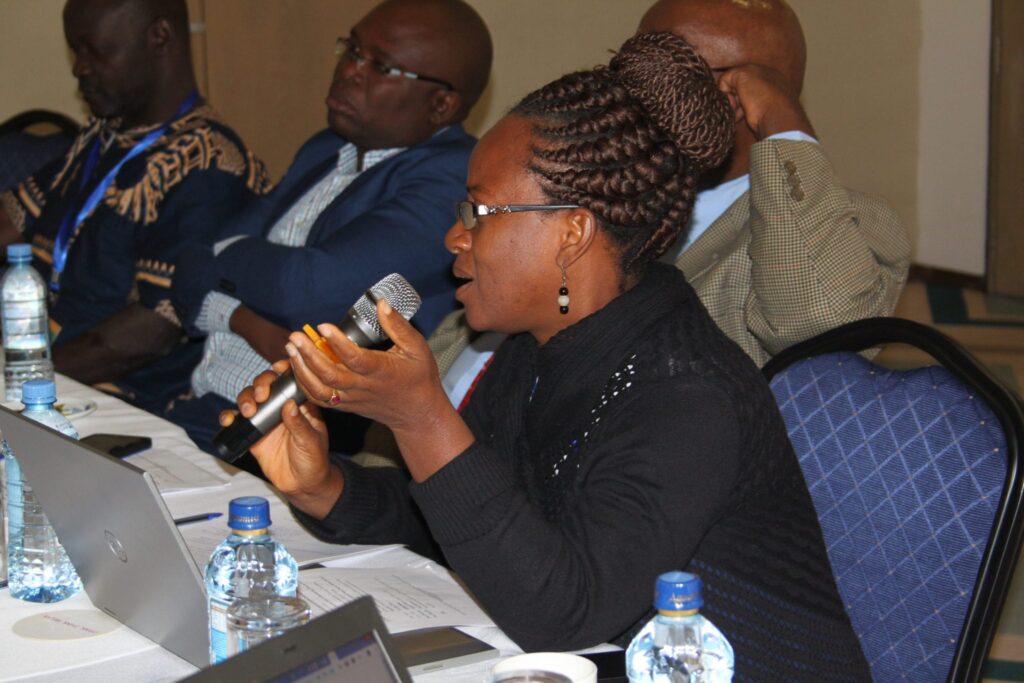
The five concurrent sessions of the Biannual start on Monday, 3 June 2019 and will feature nearly 90 presentations of research proposals, work in progress documents, final reports and PhD thesis post-field reports.
The reports will cover a wide range of topics that fit into the five focal areas of AERC’s thematic research programme:
- Group A: Poverty, Labour Markets and Income Distribution
- Group B: Macroeconomic Policy and Growth
- Group C: Finance and Resource Mobilization
- Group D: Production, Trade and Economic Integration
- Group E: Agriculture, Climate Change and Natural Resource Management
The Biannual attracts over 200 researchers, academics, policy makers and other economists who participate in our Research and Training Programmes. It provides a forum for participants to meet within a worldwide network of professionals to address issues relevant for Africa’s economic development. They also provide an opportunity for monitoring the progress and quality of the various research projects sponsored by AERC.