Friday, 25th September 2026
 Weekly
Main Feature · Skin In the Game
New Requirement for Minimum Capital Under the National Payment System Bill, 2026
Contents
- —Significant Political SentimentFunding Gaps Threaten to Slow IEBC Preparations for 2027 Polls
- 03Main FeatureSkin In the Game: New Requirement for Minimum Capital Under the National Payment System Bill, 2026
- 06Special FeatureInstitutional Integrity vs Yield Pressures: Decoding CBK’s Enforcement Benchmark
- 09Special FeatureAfrica at UNGA 81: Unlocking Capital, Talent and Opportunity
- 11Vellum GreenEyes in the Sky, Roots in the Soil: How Drones Could Make Agriculture More Sustainable in Kenya
- 13Vellum HealthUHC Medics Question Salary Cuts as Counties Take Over Payroll
- 14Political and Regulatory Round-UpKenya, Uganda, Tanzania, Rwanda, Ethiopia, Sudan, Somalia
- 16Trade & Financial Services Round-UpKenya, Uganda, Tanzania, Rwanda, Ethiopia, Sudan, Somalia
- 18Parliamentary Round-UpThe Senate: sittings of 22–24 September 2026
- 20Finger on the PulseEACC Seeks KSh407.9M Recovery Over Nairobi County Payments
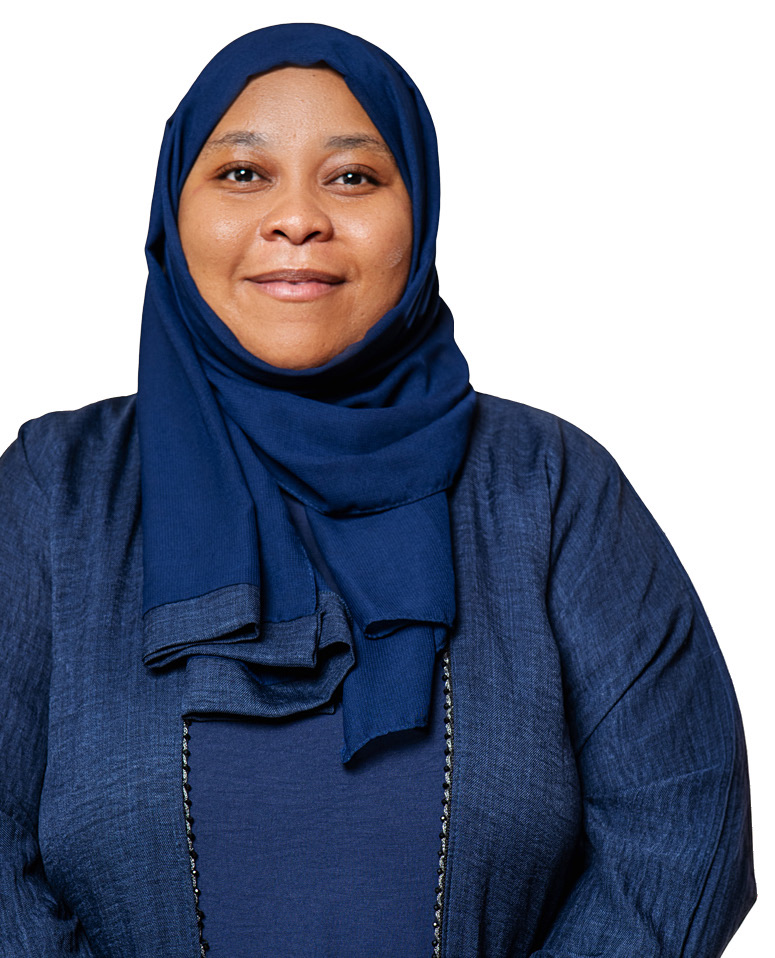
- 21Who is WhoFahima Araphat Abdallah, OGW, Vice Chairperson, IEBC
Significant Political Sentiment
Friday, 25th September 2026 | Vellum WeeklyFunding Gaps Threaten to Slow IEBC Preparations for 2027 Polls
The Independent Electoral and Boundaries Commission (IEBC) budget shortfall risks undermining the delivery of a credible, transparent, peaceful and inclusive general election next year.
The commission has received only about half of the KSh48.7 billion, with shortfalls affecting general administration, voter education, and ICT, making timely financing, schedule adherence, and early legal or regulatory reforms essential.
The approved budget allocated KSh25 billion to the electoral body, leaving an overall financing gap of KSh23.7 billion. The Parliamentary Budget Office (PBO) says this substantial resource deficit underscores the need for sustained resource mobilisation, expenditure rationalisation, and prioritisation of critical electoral activities to ensure timely preparedness and safeguard the integrity and credibility of the electoral process.
According to the PBO’s latest report, “2026 Budget Watch”, voter registration and electoral operations have been allocated KSh12.8 billion, comprising KSh3.2 billion for voter registration and KSh9.6 billion for electoral operations.
IEBC projects that the register of voters will increase from the current 22.1 million to approximately 28.5 million by 2027, through the registration of an additional 6.4 million eligible voters.
The electoral body is also expanding voter registration for citizens residing outside Kenya to 26 countries, up from 12. As of August 2026, the IEBC has registered 2.9 million eligible voters, indicating an achievement of 45 per cent.
The voter verification and audit of the register are expected to continue and be completed 60 days before the general election, which will be held on August 10, 2027. The allocations for electoral operations are to be utilised for the procurement of strategic and non-strategic materials. This is expected to be completed within the 2026/27 financial year, in good time for the general election.
In addition, general administration planning and support services constitute a significant component of election preparedness despite the minimal allocation provided.
The funds are mainly used for training and remuneration of electoral poll officials, transport and logistics equipment, election planning and operations, and legal fees. Adequate financing of these activities is essential to ensure the efficient administration and credibility of the poll process.
Despite a requirement of KSh15.1 billion, IEBC was allocated KSh5.5 billion, which may be inadequate, and budgetary shortfalls are already evident across all these critical areas. In addition, IEBC has accumulated pending bills amounting to KSh5.6 billion as at June 30, 2025, largely attributable to legal fees and election logistics.
These outstanding obligations may constrain the electoral body’s fiscal space and adversely affect the timely implementation of election preparedness activities if left unaddressed.
Additionally, electoral technology remains a cornerstone of modern election management and is critical to the integrity of the electoral process. The IEBC has been allocated KSh4.7 billion.
The funding will be used for ICT-related interventions, including the replacement of the Kenya Integrated Management System (KIEMS) kits, the upgrading of electoral systems, simulation exercises, and the implementation of the Candidate Registration Management System.
| Activity | Required | Allocated | % Allocated |
|---|---|---|---|
| Voter Registration and Electoral Operations | 18.4 | 12.8 | 70% |
| General Administration Planning and Support Services | 15.1 | 5.5 | 36% |
| Electoral Information and Communication Technology | 9.4 | 4.7 | 50% |
| Voter Education | 5.6 | 1.8 | 32% |
| Delimitation of Electoral Boundaries | 0.1 | 0.1 | 100% |
| Total | 48.7 | 25.0 | 51% |
Nevertheless, the allocated amount is insufficient, as the requirement was KSh9.4 billion. The shortfall will adversely affect the ICT interventions, with the most significant impact on the acquisition and replacement of KIEMS kits, which are integral to voter identification, voter verification, and results transmission.
Moreover, legal and institutional reforms are integral to preparedness. The successful conduct of elections depends not only on adequate financing and operational readiness but also on a stable, coherent, and predictable framework.
The electoral body indicated that it intends to present proposed amendments to electoral laws and regulations to Parliament, aimed at addressing emerging challenges and strengthening electoral dispute resolution mechanisms. This is intended to enhance the integrity of electoral processes and align the legal framework with evolving technological developments in election management.
Timely enactment of electoral reforms is critical to providing certainty to stakeholders, facilitating effective planning and implementation, and minimising the risk of litigation and operational disruptions during the electoral cycle.
Therefore, the report states that any outstanding legislative and regulatory amendments should be finalised sufficiently before the end of the 2026/27 financial year to allow adequate time for implementation, stakeholder sensitisation, institutional adaptation, and capacity building before the August polls.
What’s Required
To ensure adequate preparation, the Parliamentary Budget Office recommends that Parliament should, first, address the bottlenecks to election preparedness and, second, adhere to the implementation schedule.
Although significant progress has been made in preparations through enhanced allocations, strategic planning, and institutional interventions, considerable financing gaps remain in voter registration, election operations, and electoral technology.
Parliament should ensure that these are adequately addressed alongside the timely implementation of electoral reforms; it will be imperative to ensure that the country is adequately prepared to deliver a credible, peaceful, and well-administered electoral process next year.
Finally, Parliament should also monitor and ensure that the IEBC indicative implementation schedule for the 2027 polls is followed to guarantee the independence, accountability, transparency, and professionalism of the process.
Main Feature
Friday, 25th September 2026 | Vellum WeeklySkin In the Game
New Requirement for Minimum Capital Under the National Payment System Bill, 2026
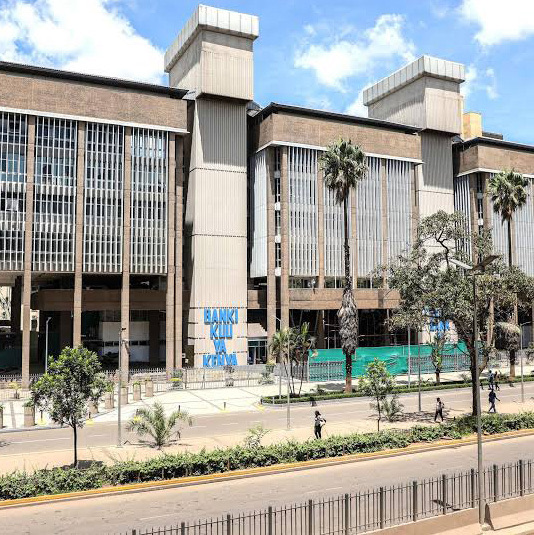
The National Treasury, in support of the Central Bank of Kenya (CBK), has released the National Payment System Bill, 2026 (the “Bill”) and the Draft National Payment System Policy for public comment. The Bill seeks to repeal the National Payment System Act (the “Act”) and, among other objectives, promote interoperability, competitiveness, and openness in the national payment system; support innovation; and foster a safe, secure, effective, and efficient national payment system.
Changes in the Bill
The Bill introduces a raft of changes not provided for in the Act. These include mandatory interoperability by each payment service provider or system operator with the systems used by other system operators or providers, and their agents. Additionally, the Bill introduces aspects of trust accounts, under which each issuer of electronic money and provider of electronic wallets shall ensure that all monies received from customers are held in a trust account of a bank or a microfinance bank. The Bill further sets limits on the amount held in a trust account, not more than 500 million shillings or more than 25% of the monies in a trust account, whichever is higher, in a single bank. However, the capping at 500 million shillings defeats the requirement of not more than 25% of the monies.
Like banking and microfinance institutions, the Bill also changes the minimum capital requirements that a licence holder must maintain at all times. Failure to do so will expose the holder to administrative action by the CBK. The minimum capital requirements vary across licence categories, which are mainly divided into two broad categories, namely payment service provider and payment system operator.
Under the two categories, the following licence holders are required to maintain core capital; they are: Payment Initiation Service Provider; Account Information Service Provider; Money Remittance Service Provider; Merchant Acquirer; Electronic Wallet Provider; Electronic Money Issuer; Payment Gateway; Payment Messaging System Operator; Card Scheme Operator; Payment Switching and Clearing System Operator. Under the current Regulations, only four licence categories are subject to minimum capital requirements: electronic retail payment service providers, e-money issuers, small e-money issuers, and designated payment instrument issuers.
Minimum capital requirements are the key indicators of safe banking for microfinance institutions.
Minimum capital requirements are the key indicators of safe banking for microfinance institutions. This is because these institutions take money from depositors to run their business, so depositors need assurance that their money will be safe. The minimum capital requirement, which comprises money put up by shareholders, is used to assure customers that their money will not be used to settle debts, claims, or insolvency liabilities.
In comparison with the current Regulations, the Bill appears to have expanded the minimum capital requirement to non-bank operators within the national payment system ecosystem. Card scheme operators such as Visa, Mastercard, and UnionPay, among similar entities, facilitate electronic payments using credit, debit, and prepaid cards and do not move money. Settlement occurs between issuing and acquiring banks, not through the scheme operator’s balance sheet. On that basis, the Bill’s proposed KSh 50 million minimum capital requirement for card scheme operators is uncorrelated with the operator’s actual risk profile, since the operator carries no direct custodial or credit exposure to customer funds that would justify capital adequacy rules for banks or microfinance banks.
By contrast, the Bill proposes a minimum capital requirement of five million for Payment Initiation Service Providers, which is more commensurate with the risk involved. A payment initiation service is defined under the Bill as an open finance service that enables users to initiate online payments without directly interacting with their bank, with the provider accessing and processing payments on the customer’s behalf. Because such providers handle payment instructions and, depending on design, may be involved in the flow of funds, capital requirements are deemed appropriate.
Conclusion
The Bill’s extension of minimum capital requirements to non-bank operators reflects a broader regulatory instinct to impose “skin in the game” across the payment ecosystem. This is not an argument against prudential oversight of non-bank operators. Operational resilience, cyber-risk management, and systemic-importance obligations are legitimate regulatory concerns for card scheme and switching operators, given their central role in payment transactions.
The concern is, however, with the purpose of capital requirements as loss absorbers for customers’ deposits and with applying the same to operators whose systems are not designed to hold customers’ deposits. This simply imposes a compliance burden that does not match the actual risk posed.
Special Feature
Friday, 25th September 2026 | Vellum Weekly
Institutional Integrity vs Yield Pressures
Decoding CBK’s Enforcement Benchmark
Only three banks met all credit pricing requirements.
The Central Bank of Kenya’s (CBK) 2025 Bank Supervision Annual Report marks a key shift in the supervision of East Africa’s banking sector. The decision to fine 33 commercial banks and subject two others to administrative sanctions, out of 38 audited institutions, is more than regulatory discipline. It highlights clear operational issues linking central bank rate changes, bank balance sheets, and capital requirements.
Only three banks met all credit pricing requirements. For executive leadership, C-suite treasurers, and institutional investors, these findings outline current regulatory standards for bank risk models, interest rate settings, and internal governance.
Key Findings: Audit Spectrum (38 Institutions)
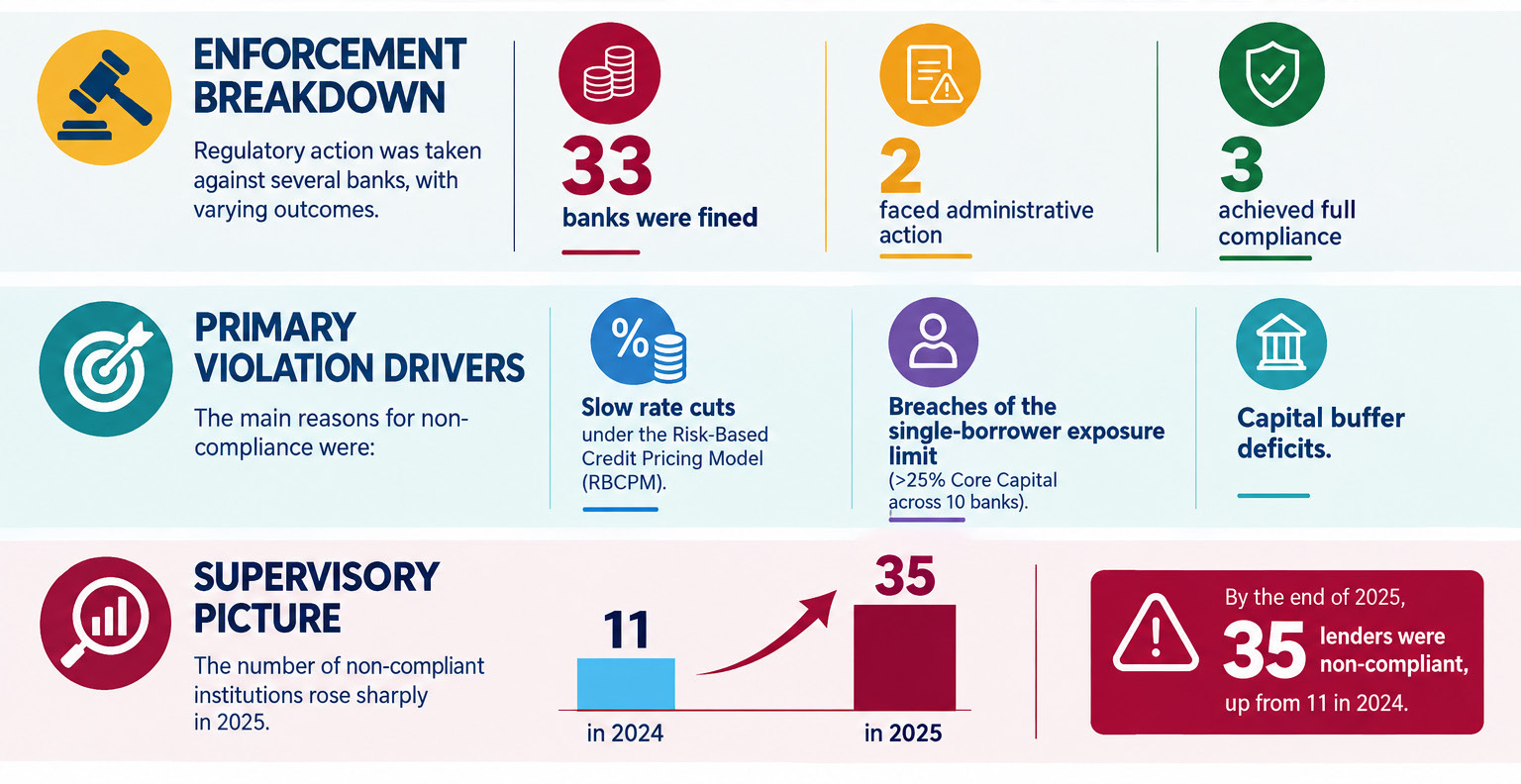
- Enforcement Breakdown: 33 banks were fined, two faced administrative action, and only three achieved full compliance.
- Primary Violation Drivers: Slow rate cuts under the Risk-Based Credit Pricing Model (RBCPM), breaches of the single-borrower exposure limit (>25% Core Capital across 10 banks), and capital buffer deficits.
- Supervisory Picture: The number of non-compliant institutions rose sharply to 35 lenders by the end of 2025, up from 11 in 2024.
The Rate Transmission Gap
Between August 2024 and August 2025, the Monetary Policy Committee (MPC) cut the Central Bank Rate (CBR) by 350 basis points, lowering the policy rate from 13.0% to 9.5%. The central bank intended to reduce borrowing costs, support business investment, and boost lending to the private sector.
| Timeline / Policy Stage | Central Bank Rate (CBR) | Commercial Lending Rates |
|---|---|---|
| August 2024 (Baseline) | 13.00% | 16.50% – 18.00% (High Spreads) |
| August 2025 (Post 350 bps Cut) | 9.50% (−350 bps) | 14.39%+ (Rates Remained High) |
Despite these policy cuts, average lending rates remained high across the sector. Commercial banks maintained higher profit margins rather than lowering loan costs for customers, relying on outdated Risk-Based Credit Pricing Models (RBCPM) introduced in 2019.
Risk-Based Credit Pricing: Application and Model Audits
The central focus of the CBK fines concerns the application of the Risk-Based Credit Pricing Model (RBCPM). Approved models calculate loan interest rates using the following standard structure:
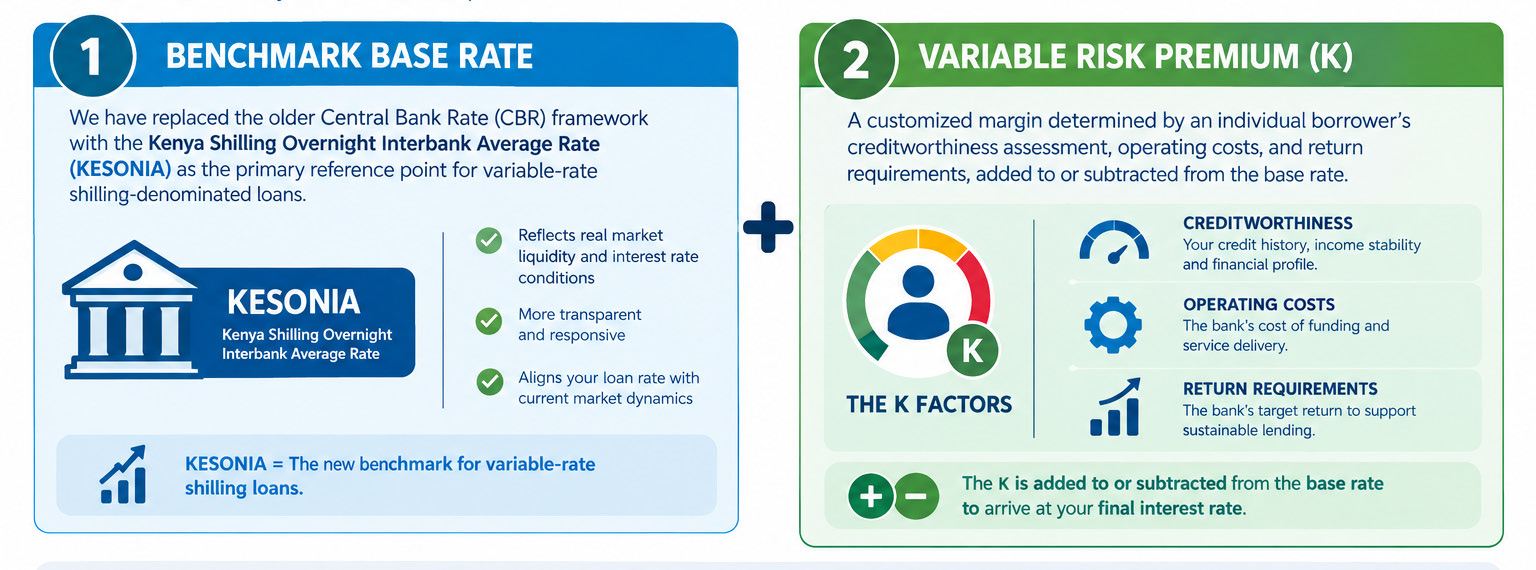
Loan Rate = Reference Base Rate + Cost of Funds + Borrower Credit Risk Premium + Operating Margin
The bank inspection teams reported specific issues in how banks used this formula:
- Asymmetric Risk Charges: Banks raised customer risk charges quickly during economic downturns but rarely lowered them when conditions improved or when borrowers improved their credit scores.
- Internal Base Rates: Banks replaced clear public benchmark rates with internal figures, which hid increased profit margins.
Under the updated RBCPM rules, banks must transition to clear benchmark rates, such as the Kenya Shilling Overnight Interbank Average Rate (KESONIA), to standardise base-rate calculations.
Capital Buffers and Single-Borrower Exposure
Pricing violations occurred alongside wider compliance issues across bank balance sheets:
| Regulation | Legal Limit | Audit Findings & Sector Metrics |
|---|---|---|
| Single-Borrower Limits | Max 25% Core Capital per entity | Ten banks passed the legal limit for lending to a single borrower. |
| Capital Buffer Rules | Min 14.5% Total Capital / RWA | Five banks failed Total Capital rules; four failed the 10.5% Core Capital minimum. |
| Insider Lending Caps | Max 20% single / 100% aggregate | Three banks broke rules on lending to directors and insiders. |
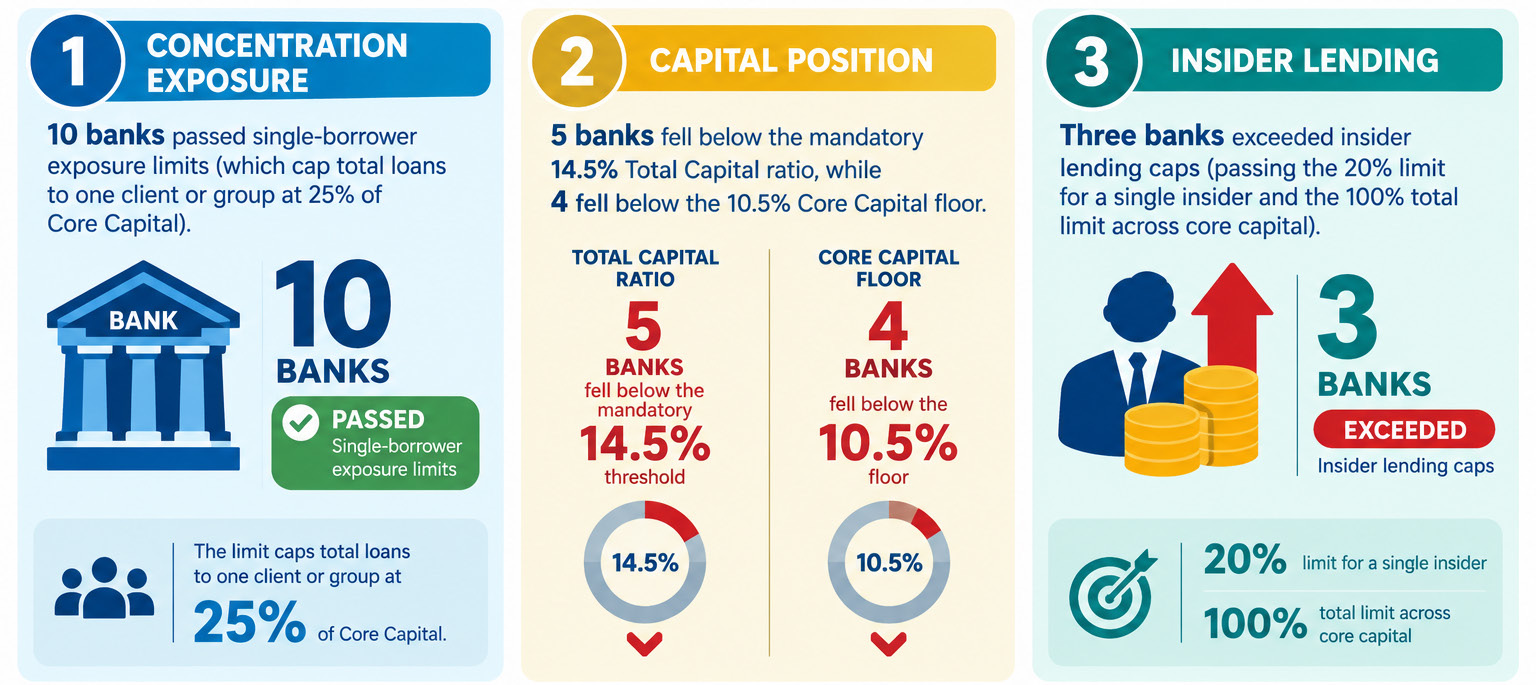
- Concentration Exposure: 10 banks passed single-borrower exposure limits (which cap total loans to one client or group at 25% of Core Capital).
- Capital Position: 5 banks fell below the mandatory 14.5% Total Capital ratio, while 4 fell below the 10.5% Core Capital floor.
- Insider Lending: Three banks exceeded insider lending caps (passing the 20% limit for a single insider and the 100% total limit across core capital).
What This Means for Commercial Banks
The findings in the 2025 Bank Supervision Annual Report set several clear operational realities for commercial lenders:
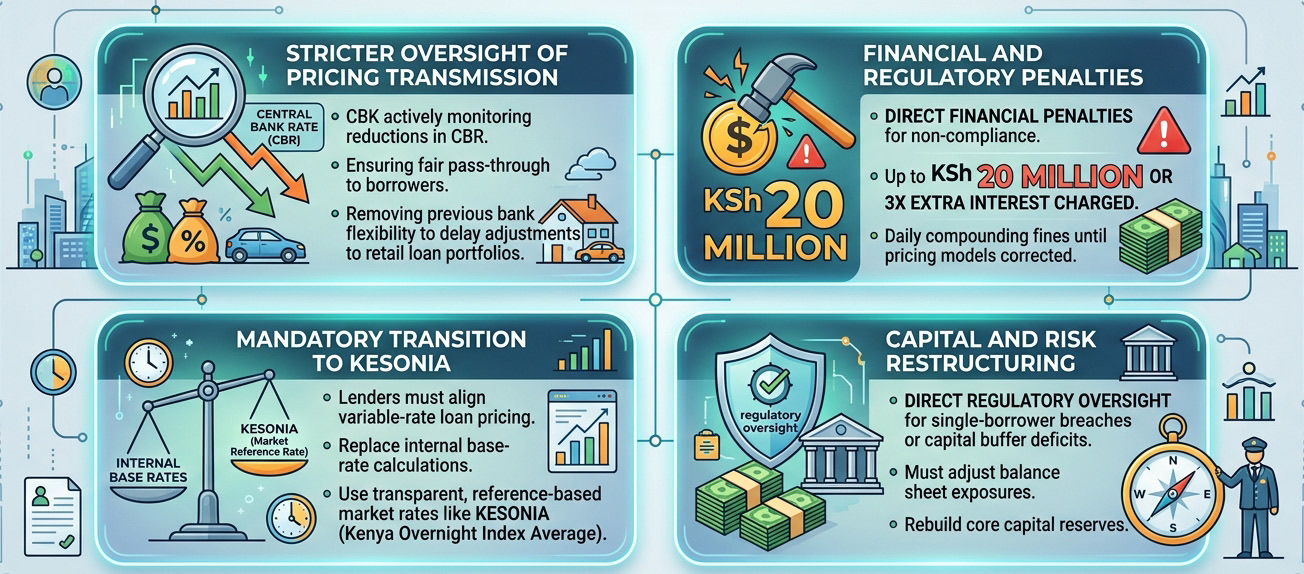
- Stricter Oversight of Pricing Transmission: The CBK is actively monitoring whether reductions in the Central Bank Rate are passed through to borrowers, thereby removing the flexibility banks previously had to delay adjustments to retail loan portfolios.
- Financial and Regulatory Penalties: Non-compliant banks face direct financial penalties of up to KSh20 million, or up to three times the extra interest charged, alongside daily compounding fines until pricing models are corrected.
- Mandatory Transition to KESONIA: Lenders must align variable-rate loan pricing with transparent, reference-based market rates such as KESONIA, replacing internal base-rate calculations with standardised benchmarks.
- Capital and Risk Restructuring: Banks with single-borrower breaches or capital buffer deficits face direct regulatory oversight and must adjust balance sheet exposures and rebuild core capital reserves.
Special Feature
Africa at UNGA 81: Unlocking Capital, Talent and Opportunity
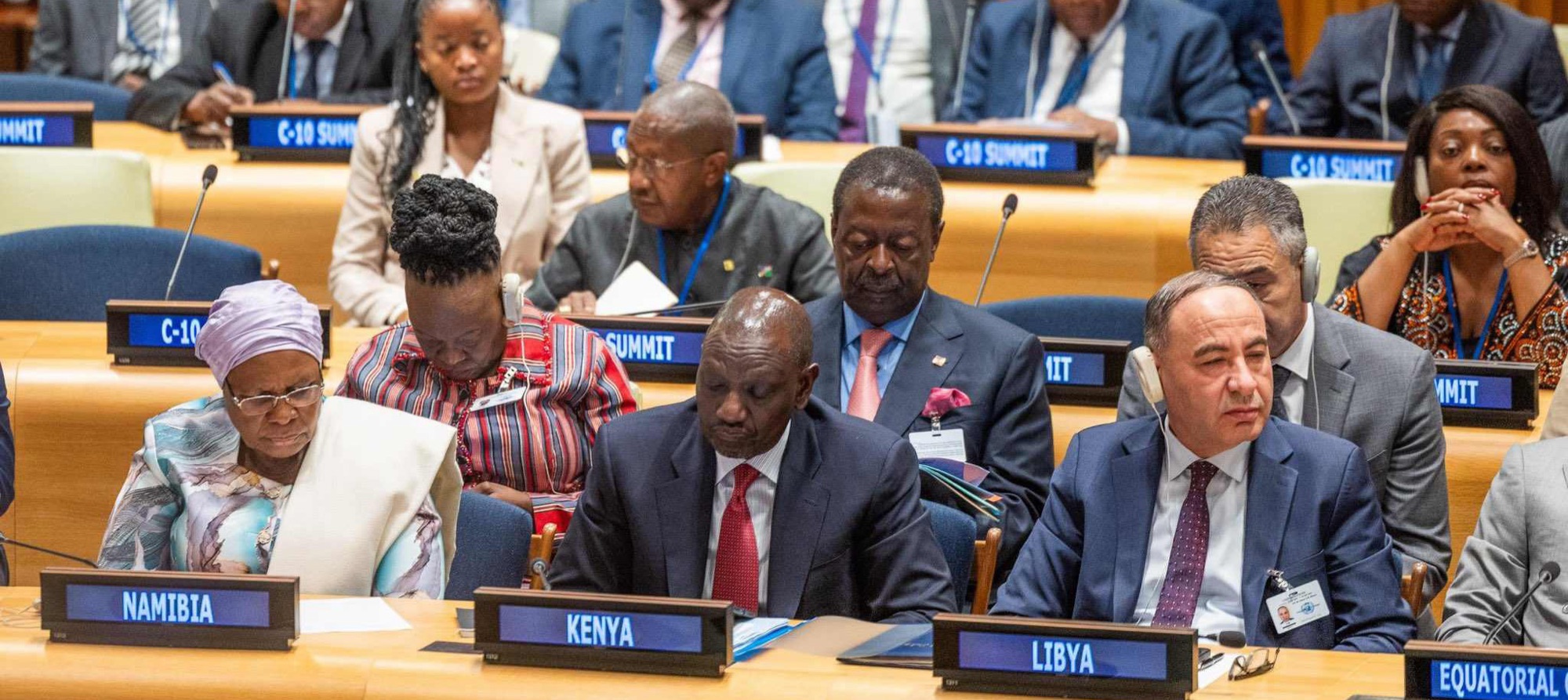
World leaders convened in New York for the 81st Session of the United Nations General Assembly (UNGA 81), themed “Restoring Trust, Managing Transformation: A United Nations That Delivers for All”. The gathering comes at a pivotal moment, as the rules governing global finance, technology, trade and international cooperation are being reassessed in response to geopolitical tensions, climate shocks, debt vulnerabilities, rapid technological change and a slowing global economy.
Throughout the discussions, Africa’s engagement has reflected a growing shift in posture. The continent is increasingly positioning itself not as a recipient of solutions but as an active contributor to their shaping. From reforming the international financial architecture to governing artificial intelligence and mobilising domestic capital, Africa is seeking a greater role in shaping the policies and institutions that will define the future.
President Ruto on the World Stage
President William Ruto used a series of high-level engagements at UNGA 81 to advance a consistent message: Africa has the capital, talent, resources and ideas needed for transformation, but global and domestic systems must evolve to unlock that potential. President Ruto advanced a broad vision centred on financing Africa’s development, harnessing technology, reforming global governance and expanding opportunities for future generations.
At the Africa We Build High-Level Roundtable, he argued that Africa’s principal development challenge is not a shortage of capital but the regulatory and financial frameworks that prevent domestic savings from financing productive investment. According to his argument, Africa’s pension, insurance and other domestic capital pools are now significant enough to support development, yet much of this capital remains trapped in low-risk investments rather than in infrastructure and industrial projects. Ruto called for reforms to risk assessment, insurance pricing and investment regulations to unlock African capital for African development. The message was clear: Africa does not lack money; it lacks systems that allow that money to work for development.
Africa does not lack money; it lacks systems that allow that money to work for development.
The theme of self-driven transformation recurred at the Accra Reset High-Level Convening, where Ruto emphasised the role of technology and artificial intelligence in economic growth. He argued that Africa’s greatest resource is its young and growing population and highlighted the MasterKey Digital Skills Mobility Corridor, an initiative designed to enable trusted cross-border recognition of skills, qualifications and work experience. The initiative aims to make African talent more mobile while strengthening trust, privacy and cybersecurity safeguards. Beyond talent mobility, Ruto called for greater investment in AI infrastructure, research and digital capabilities to ensure Africa becomes a creator and shaper of technology rather than merely a consumer.
His message on global governance was amplified at the Kenya-European Union Partnership for Multilateralism Summit. There, Ruto argued that the crisis facing multilateralism stems from institutions and rules that have failed to evolve alongside contemporary realities. He advocated reforms to make international institutions more representative, inclusive and effective, while addressing inequities within the global financial system. He maintained that Africa’s voice must be reflected not only in political institutions but also in the frameworks that govern development finance and global economic decision-making.
Speaking in his capacity as Chairperson of COMESA, Ruto assessed progress in implementing the Pact for the Future. While acknowledging Africa’s role in shaping the Pact, he argued that implementation has not delivered sufficient results, particularly in youth empowerment and development financing. He called for increased investment in young people, stronger youth participation in policymaking, and reforms to the international financial architecture that lower the cost of capital and enable African countries to finance their own development. He also welcomed efforts to establish a fairer international tax framework capable of reducing illicit financial flows and improving domestic resource mobilisation.
Technology governance was a central theme in a UNICEF high-level engagement focused on the Coalition for Children’s Rights and Protection in the Age of AI. Ruto advocated an approach that enables children to benefit from digital technologies while protecting them from emerging online risks. He stressed that children should not have to choose between access and safety, and called for stronger safeguards on data protection, online abuse, deepfakes, age assurance and AI literacy. The broader objective, he argued, is to ensure that technology is designed with safety and inclusion in mind from the outset.
Africa’s Place in Global Governance
A consistent theme across President Ruto’s engagements was the need for Africa to have a stronger voice in global governance structures. This was most evident in his address to the UN General Assembly, where he renewed calls for comprehensive reform of the United Nations Security Council.
Ruto argued that although all UN member states have equal voting rights in the General Assembly, the Security Council still reflects the geopolitical realities of 1945 rather than those of the twenty-first century. He questioned how a continent of 54 countries and more than a billion people remains excluded from permanent representation in the world’s foremost peace and security body.
Beyond political representation, he linked governance reform to economic justice. He criticised international financial systems that continue to impose disproportionately high borrowing costs on developing countries and argued that risk assessment models often fail to reflect economic realities. In his view, both political and financial institutions require reform to become more representative, fairer and more responsive to contemporary challenges.
The overarching message was that trust in multilateralism cannot be restored by rhetoric alone. It must be rebuilt through institutions that reflect today’s world and through systems that enable all countries, including African nations, to participate meaningfully in shaping global decisions.
Kenya’s Expanding Technology Diplomacy
Alongside these policy discussions, Kenya secured a significant technology partnership with the American AI company Anthropic on the sidelines of UNGA 81. The agreement sets out a framework for cooperation on AI skills development, research, responsible public-sector use of AI, AI safety, and innovation across sectors such as health and education.
The partnership closely aligns with Kenya’s broader digital transformation strategy and reflects the country’s efforts to position itself as a regional hub for responsible AI development. It also supports Kenya’s goal of ensuring that emerging technologies are deployed in ways that reflect local priorities, strengthen domestic capacity, and protect data sovereignty.
Importantly, the agreement signals Kenya’s intention to engage global technology companies not simply as consumers of innovation, but as partners in co-creating solutions that serve local and regional development objectives.
Conclusion
UNGA 81 underscored Africa’s growing confidence in shaping global conversations on development, technology, finance and governance. Across multiple forums, President Ruto advanced a coherent agenda: unlock African capital, invest in African talent, embrace emerging technologies responsibly, accelerate the energy transition, and reform global institutions to reflect contemporary realities better.
Vellum Green
Friday, 25th September 2026 | Vellum Weekly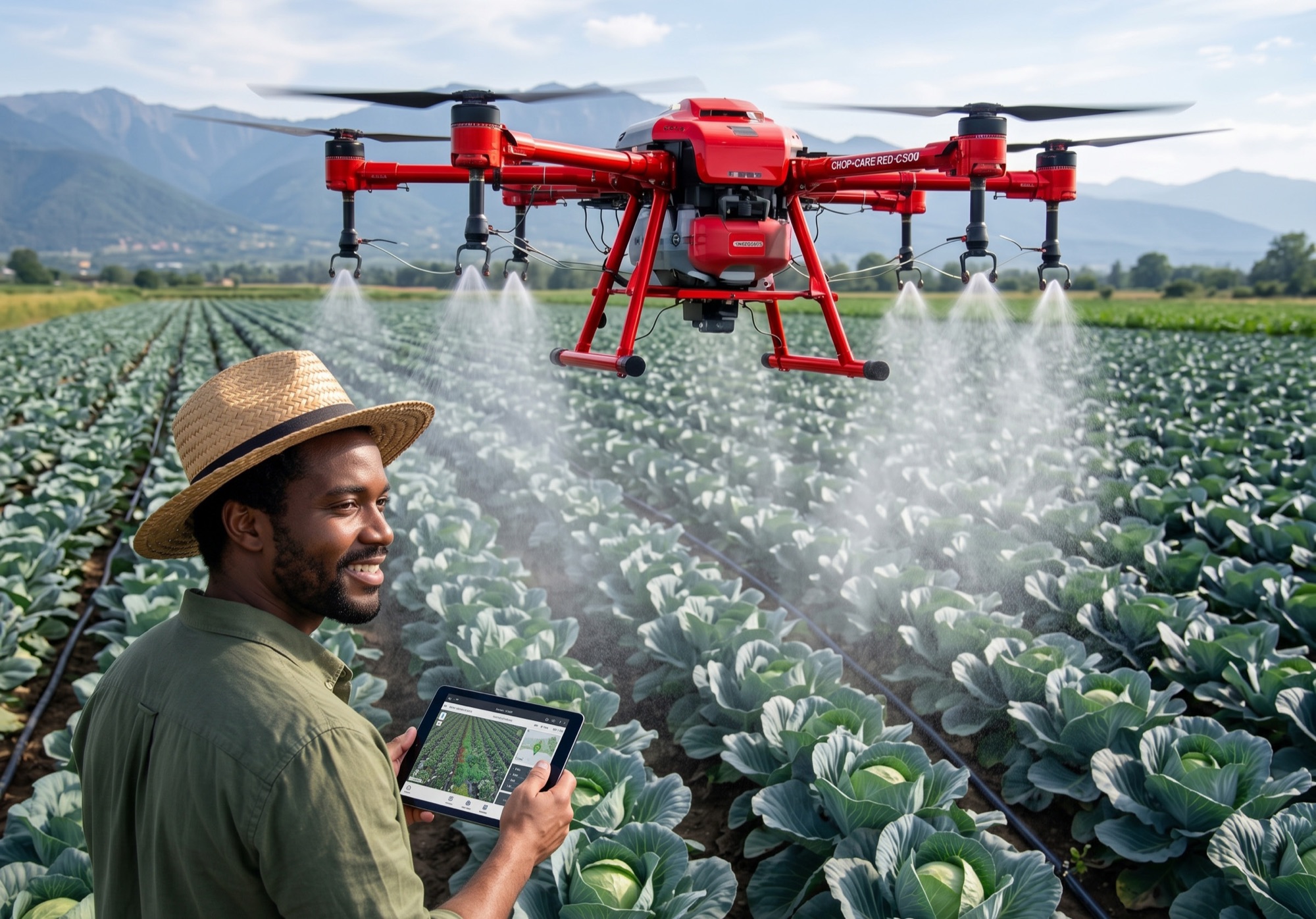
Eyes in the Sky, Roots in the Soil
How Drones Could Make Agriculture More Sustainable in Kenya
From the ground, a farm can look deceptively uniform. Rows of crops stretch across a field, the soil appears healthy, and plants seem to grow at the same pace. Yet from above, a different story emerges. A drone flying over the same field can reveal water stress, early signs of disease, and areas that are thriving with minimal intervention. In minutes, an ordinary farm can become a useful map, helping farmers decide where to water, fertilise, treat, or leave the land alone.
This is where drones are reshaping precision agriculture. Their value isn’t merely that they fly over farms, but that they help farmers understand the land at a finer scale. Equipped with cameras and sensors, drones collect data on crop health, soil conditions, and field variation. When combined with data analysis, these images guide more targeted action and reduce guesswork.
Another opportunity lies above the fields: ensuring women and girls are part of the future this technology is creating.
As drones become increasingly important in agriculture, women and girls must not be left on the sidelines. Emerging technologies are often discussed in terms of what they can do for communities, with less attention to who gets the chance to learn, build careers, and become leaders in the industry.
For women and girls, drones can be more than agricultural equipment. They can open pathways into science, technology, engineering, data analysis, entrepreneurship, and leadership. Learning to operate drones, interpret aerial imagery, or manage agricultural data builds practical skills linked to a rapidly changing technology sector and to real problems in local farming systems.
Prudence, co-founder of DaDa Drones, captures this opportunity clearly:
“Drones are not just tools for improving agriculture; they are an opportunity to open doors for women and girls in technology, innovation and leadership. If we want the drone industry to grow sustainably, women and girls need to be in the room, flying the drones, analysing the data, building the businesses and making the decisions that shape how this technology is used.”
Prudence, co-founder, DaDa Drones
Her point goes beyond representation. The future of agricultural drones depends on people with the skills and confidence to operate them. That means introducing girls to drones early, training young women in technical skills, and supporting women who want to build careers or businesses in drone technology.
Women are already central to agricultural communities across Africa, making their participation in agricultural technology particularly significant. Women trained in drone operations and data analysis can become local technology leaders, translating aerial data into practical decisions and showing younger girls that technology belongs in their hands, too.
This matters for productivity and sustainability. Agriculture uses large amounts of land and freshwater, while excessive use of fertilisers and pesticides can strain soils, waterways, and ecosystems. As farmers face shifting weather patterns, drought, and the need to produce more with fewer resources, targeted decisions are increasingly important.
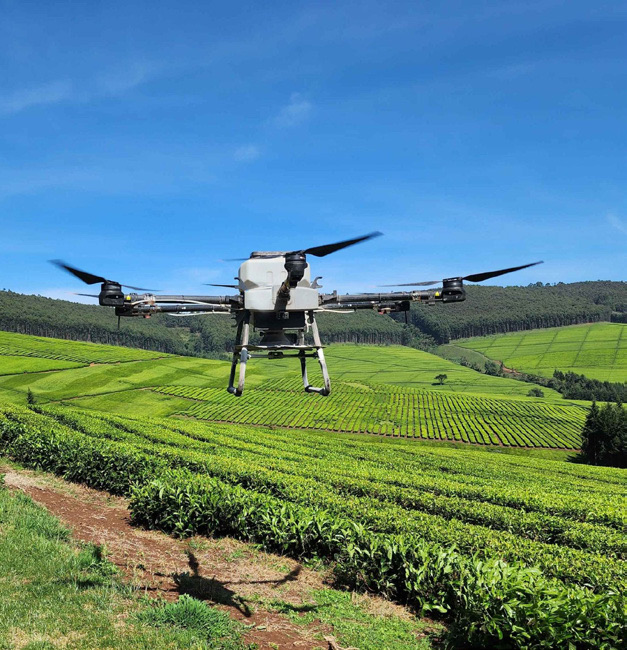
Water is one area where drones can support more sustainable farming. Rather than treating an entire field as if every plant has identical needs, farmers can use aerial data to identify water stress and adjust irrigation. In regions where water is scarce, even small efficiency gains matter.
The same principle applies to fertilisers and pesticides. If only some areas need attention, farmers may not need to apply the same number of inputs across the whole field. Detecting problems earlier can reduce unnecessary chemical use, lower costs, and limit runoff into nearby waterways.
Drones can also support long-term monitoring. Repeated aerial surveys create a visual record of how crops and fields change throughout a growing season, helping farmers identify recurring problems, assess practices, and make better-informed decisions in future seasons. Over time, that record can make planning less reactive and more strategic.
Still, drones are not a solution to every agricultural challenge. They can be costly to acquire and operate, and farmers need training to interpret data effectively. Connectivity, software, maintenance, and technical support may also be difficult to access in rural areas. Their benefits therefore depend on whether the technology is affordable, useful, inclusive, and accessible to the farmers and communities it is intended to serve.
The promise of agricultural drones is not a future in which machines replace farmers. It is a future in which farmers have better eyes on their land, water is directed to where it is needed, inputs are applied more selectively, and crops and ecosystems are monitored over time.
The most powerful role for drones may be simple: helping farmers see their fields more clearly so they can care for them more intelligently, while ensuring women and girls have a meaningful place in the technological future taking shape above those fields. If that future is built thoughtfully, drones can strengthen both the roots of agriculture and the opportunities rising above it.
Vellum Health
Friday, 25th September 2026 | Vellum WeeklyUHC Medics Question Salary Cuts as Counties Take Over Payroll
Kenya’s Universal Health Coverage (UHC) medics are questioning salary cuts as counties take over their payroll during the transition to permanent and pensionable terms.
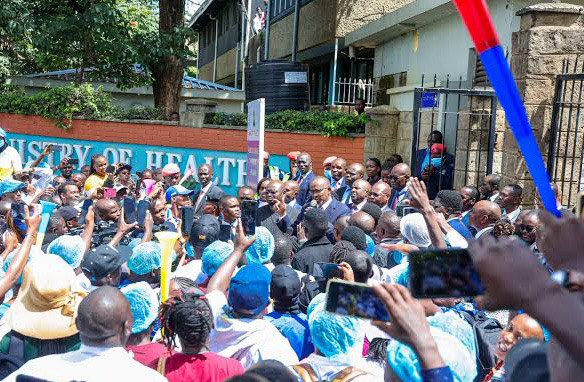
UHC medics’ representative Ciru Kihara said that payslips issued in several counties indicate workers have been moved to permanent and pensionable status, despite not receiving formal confirmation letters. However, some workers have seen their pay fall by about KSh5,000, with risk allowances dropping from KSh5,000 to KSh3,000 and basic salaries from around KSh30,000 to KSh28,000.
The transition follows a six-year dispute involving roughly 8,500 health workers recruited between 2019 and 2020 to strengthen primary healthcare and, later, Kenya’s COVID-19 response.
Health Cabinet Secretary Aden Duale previously estimated that resolving the permanent employment and gratuity issues would cost about Sh9 billion. Although the workers officially transitioned to county payrolls on 1 July 2026, medics say the lack of formal appointment letters and unresolved gratuity payments mean the long-running employment dispute is not yet settled.
(Source: Daily Nation)
Political and Regulatory Round-Up
Friday, 25th September 2026 | Vellum Weekly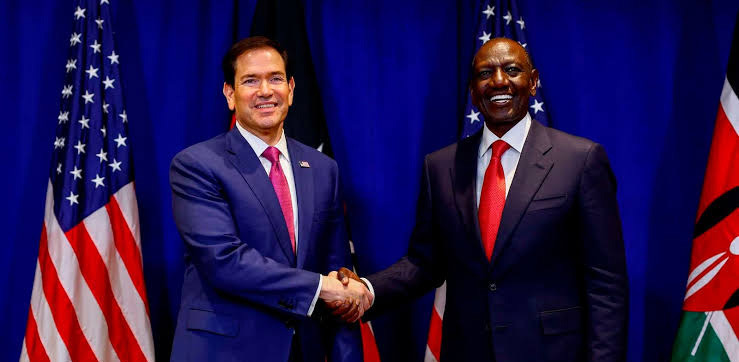 Kenya
Kenya
Kenya’s Critical Minerals Gain US Attention as Ruto Meets Rubio
President William Ruto and US Secretary of State Marco Rubio have discussed opportunities to develop Kenya’s critical minerals sector, with Washington highlighting Kenya’s potential to become a key player in the industry and to create opportunities for US firms to participate in local value addition. The discussions come as Kenya advances plans to develop strategic resources, including rare earth elements, niobium, titanium, graphite and lithium, with the Mrima Hill deposit in Kwale County attracting particular international interest. The US has said it is prepared to support Kenya in developing mineral-processing capacity. At the same time, both countries have emphasised local processing and value addition rather than exporting raw minerals.
(Source: Business Daily)
 Uganda
Besigye Treason Trial Delayed as State Lawyers Miss Court
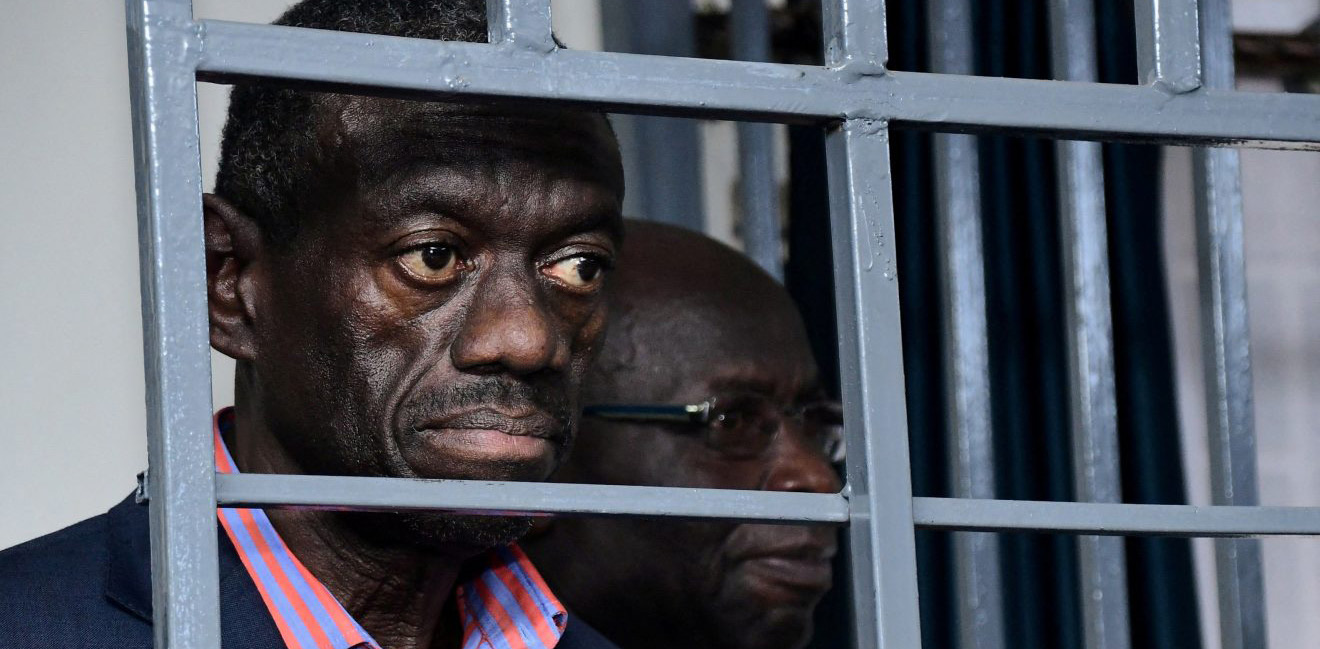
The treason trial of Ugandan opposition figure Kizza Besigye has been adjourned to October 5, 2026, after two state prosecutors failed to appear when the case was due to resume before the High Court in Kampala on September 23. Justice Emmanuel Baguma was scheduled to hear further proceedings, including a ruling on the admissibility of a flash drive containing recordings relied on by a prosecution witness. Defence lawyers told the court that the prosecutors were attending another matter elsewhere on the court premises, prompting the judge to grant a further adjournment and warn that it would be the last. The State alleges that Besigye and his co-accused met in Uganda and abroad as part of a plan to overthrow the government, allegations they have denied.
(Source: Nile Post / The Independent Uganda)
 Tanzania
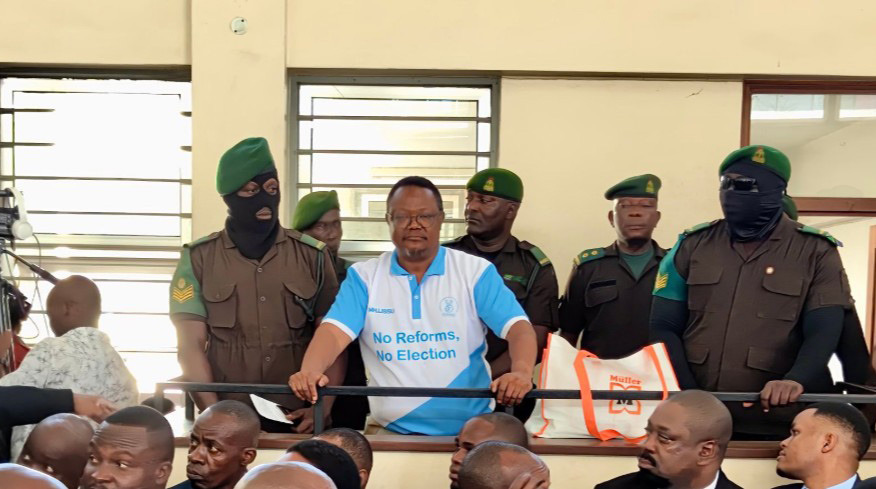
Lissu Treason Case Reaches Final Legal Arguments
The treason trial of Chadema Chairman Tundu Lissu has reached the final submissions stage at the High Court in Dar es Salaam, with both the prosecution and the defence presenting their closing arguments before a three-judge panel. Lissu faces a single treason charge under Section 39(2)(d) of Tanzania’s Penal Code, arising from remarks he allegedly made on April 3, 2025, urging the public to prevent the 2025 General Election. The prosecution closed its case after calling 17 witnesses, and Lissu subsequently presented five defence witnesses before closing his case on September 18. The final submissions will focus on whether the evidence meets the legal threshold for the charge, with the court expected to consider the arguments before delivering its judgment.
(Source: The Citizen Tanzania)
 Rwanda
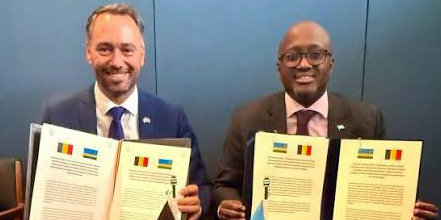
Kigali and Brussels Reopen Diplomatic Channel After 18-Month Rift
Rwanda and Belgium have agreed to restore diplomatic relations 18 months after severing ties over disagreements linked to the conflict in eastern Democratic Republic of Congo. The decision was announced on September 22, 2026, following talks between the two countries’ foreign ministers. Their respective embassies will reopen soon, initially under chargés d’affaires, with small diplomatic and technical teams. The two governments said they will maintain open and transparent dialogue while recognising that differences remain, particularly over the situation in eastern DRC. Qatar helped facilitate the first meeting between the ministers in Doha in June 2025, and both sides now cite mutual respect, non-interference and constructive engagement as principles for rebuilding bilateral relations.
(Source: The New Times Rwanda)
 Ethiopia
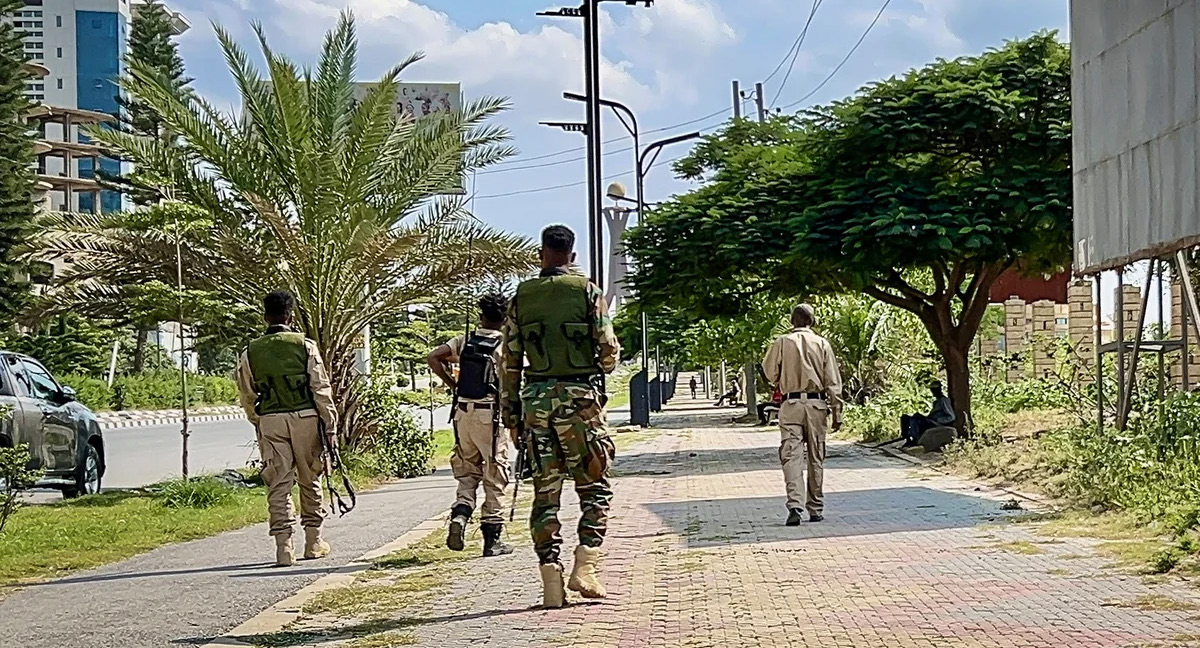
Ethiopia Maintains Restraint Amid Renewed Regional Tensions
Ethiopia is maintaining a cautious approach amid renewed political and security tensions following the formation of an alliance of seven armed groups, including the Tigray People’s Liberation Front (TPLF) and the Amhara Fano National Movement, which have declared their intention to remove Prime Minister Abiy Ahmed’s government. The coalition brings together groups that were previously on opposing sides of Ethiopia’s 2020–2022 conflict, and tensions have also resurfaced in the Tigray region. The Ethiopian government has accused Eritrea of supporting armed groups and contributing to instability, allegations that Eritrea has denied. The characterisation of the alliance as a “Trojan horse” is an interpretation advanced by sources aligned with the Ethiopian government, not a fact.
(Source: ENA)
 Sudan
Sudan
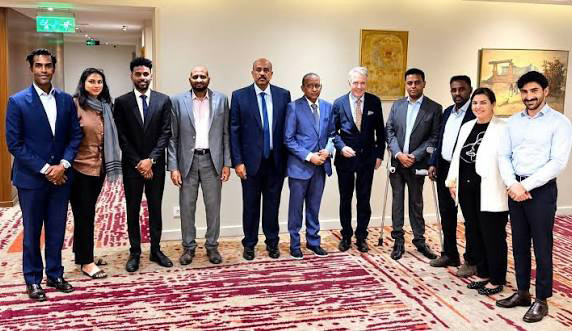
Sudanese Civilian Coalition, Norway Renew Push for Peace at UN
Sudan’s Civil Democratic Alliance of the Forces of the Revolution (Somoud), led by former Prime Minister Abdalla Hamdok, held talks with Norwegian State Secretary Andreas Kravik in New York on 22 September 2026 to discuss efforts to end Sudan’s war and address the worsening humanitarian crisis. The coalition urged Norway to increase humanitarian assistance and to push for an unconditional ceasefire, alongside an inclusive political process aimed at addressing the roots of the conflict and restoring Sudan’s democratic transition. Kravik briefed the delegation on Norway’s diplomatic efforts and its participation in a joint meeting of international groups working on the Sudan crisis, while reaffirming Norway’s support for a settlement based on freedom, peace, justice and civilian democratic governance.
(Source: Sudan Tribune)
 Somalia
Somalia and Germany Seek to Deepen Bilateral Cooperation
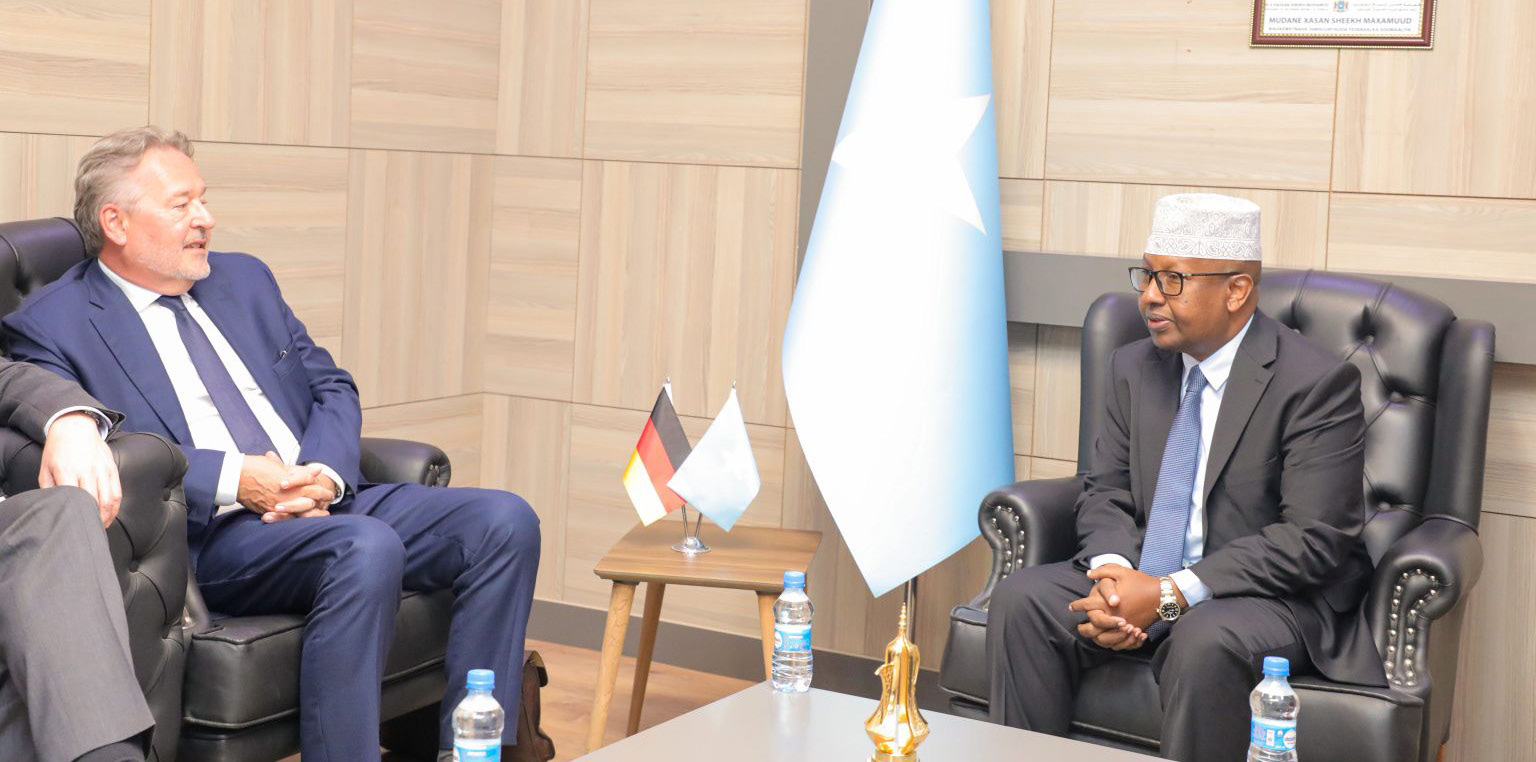
Somalia and Germany have discussed strengthening bilateral relations, expanding cooperation in political, development and parliamentary affairs, and creating more opportunities for partnerships between Somali and German businesses. The discussions took place in Mogadishu between the Speaker of Somalia’s House of the People, Abdulkadir Mohamed Nur, and German Ambassador Sebastian Groth, with other officials from both sides attending. Germany is already a significant development partner for Somalia, with its development cooperation valued at about €546 million, covering areas including economic development, vocational training, agriculture, food security, water management, climate resilience, and support for democratisation and federal state structures.
(Sources: SONNA)
Trade & Financial Services Round-Up
Friday, 25th September 2026 | Vellum Weekly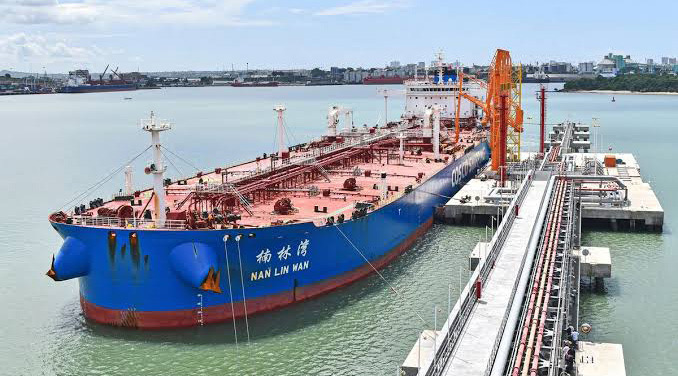 Kenya
Kenya
Rising Tanker Costs Add Fresh Pressure to Kenya’s Fuel Prices
Record-high oil tanker freight rates are adding fresh pressure on fuel prices in Kenya as disruptions to global shipping routes raise the cost of importing petroleum products. Kenya relies entirely on seaborne imports for its petroleum needs, so higher freight and marine insurance costs feed directly into the landed cost used to calculate pump prices. Suezmax tanker rates have risen above $100,000 per day, compared with an average of about $38,000 in 2025, while Aframax rates have reached around $70,000 per day. These higher shipping costs coincide with longer voyages and disruptions to seaborne trade linked to the Middle East conflict, which reduce fleet efficiency.
(Source: Business Daily)
 Uganda
Uganda Targets USh490 Trillion in Private Credit to Drive $500B Economy
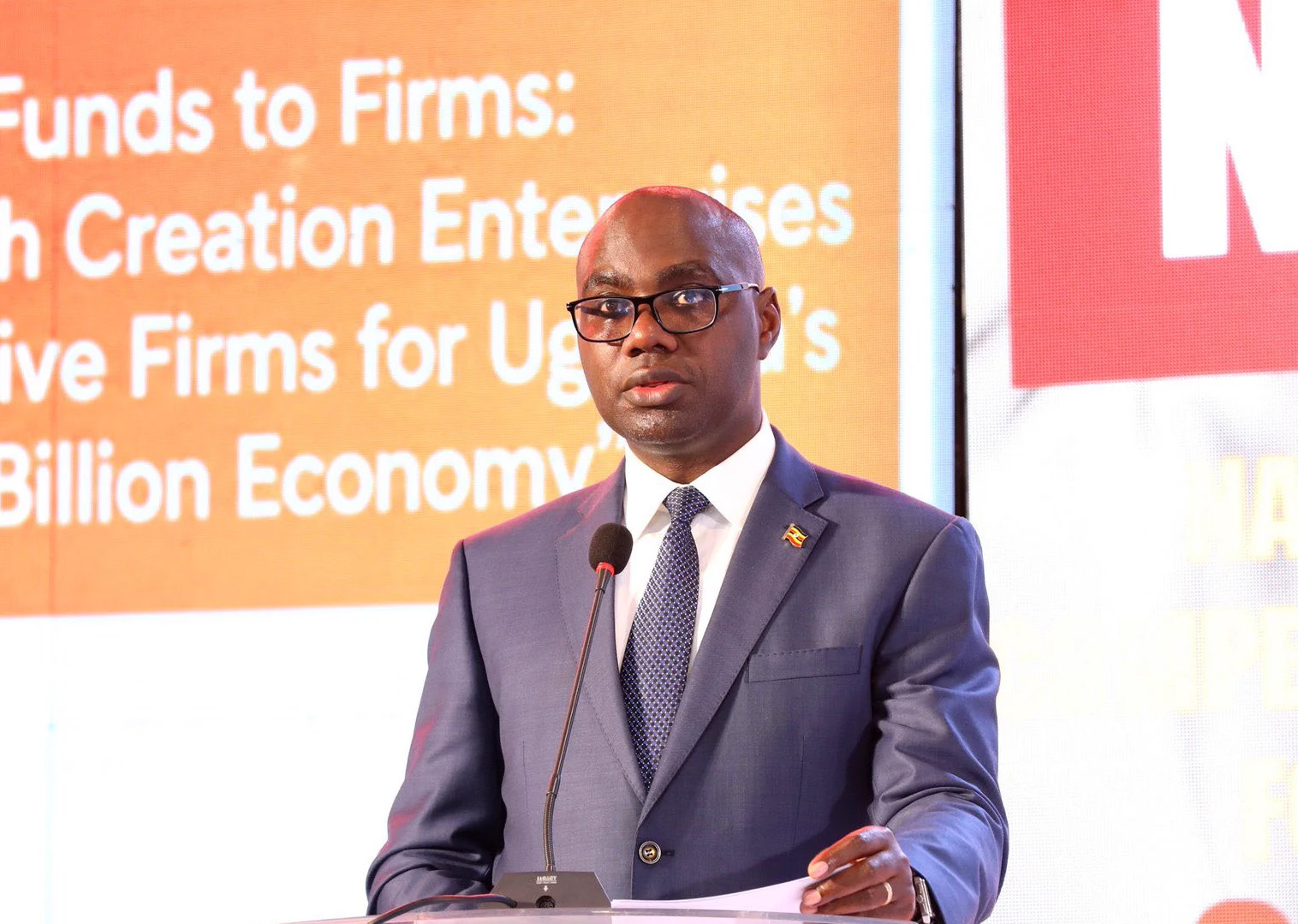
Uganda will need to expand private-sector credit from about USh28 trillion to USh490 trillion by 2040 to support its ambition to grow the economy to US$500 billion, according to Finance Minister Henry Musasizi. The target is part of the government’s Tenfold Growth Strategy, which prioritises agro-industrialisation, tourism, minerals including oil and gas, and science, technology and innovation. Musasizi said the required investment cannot be financed by the national budget and conventional bank lending alone, and called for larger pools of long-term “patient capital” to finance projects such as factories, hotels, mines, processing facilities and technology parks. He also urged financial institutions to reduce lending rates, which currently average 18–20 per cent, and to redirect more financing towards productive sectors.
(Source: Monitor)
 Tanzania
Njombe Calls for Tighter Market Checks to Curb Counterfeit Goods
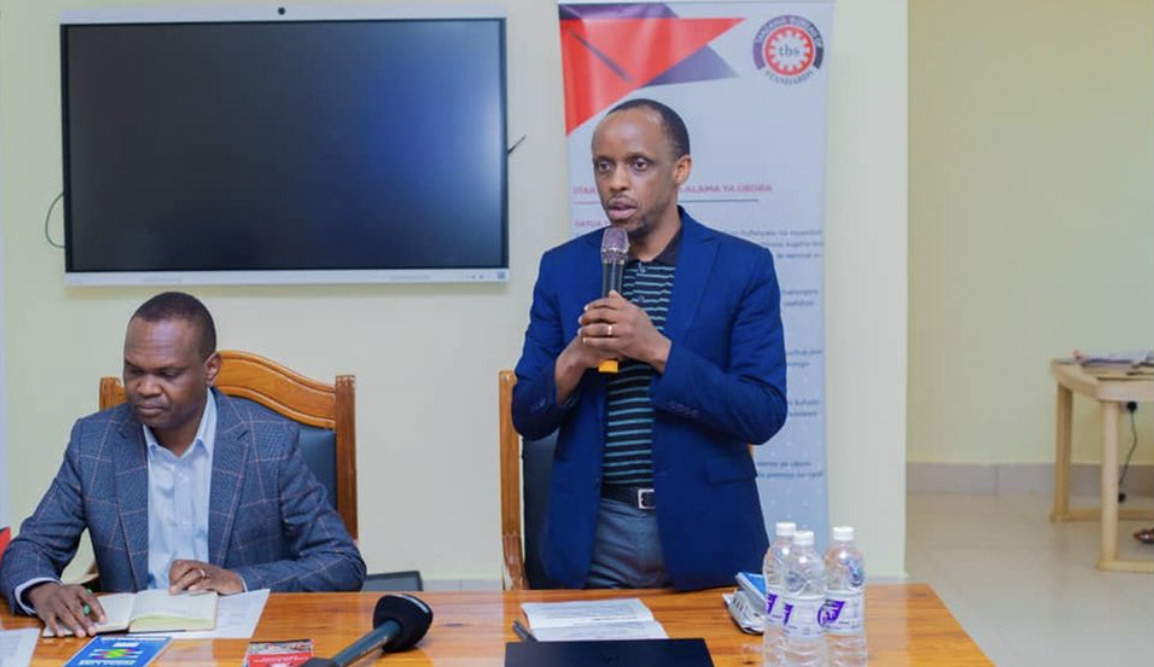
Residents and traders in Tanzania’s Njombe Region have called for stronger market surveillance to prevent counterfeit, expired and substandard products from reaching consumers. They appealed on 19 September 2026 during an education campaign by the Tanzania Bureau of Standards (TBS) to combat substandard and expired goods. Participants urged authorities to intensify inspections at trading centres and ensure products meet required standards before being sold to the public. TBS officials also highlighted concerns about unregulated alcoholic drinks and unsuitable cosmetics, which can pose health risks. Local officials noted the need for greater public awareness of product registration and TBS certification requirements.
(Source: The Citizen Tanzania)
 Rwanda
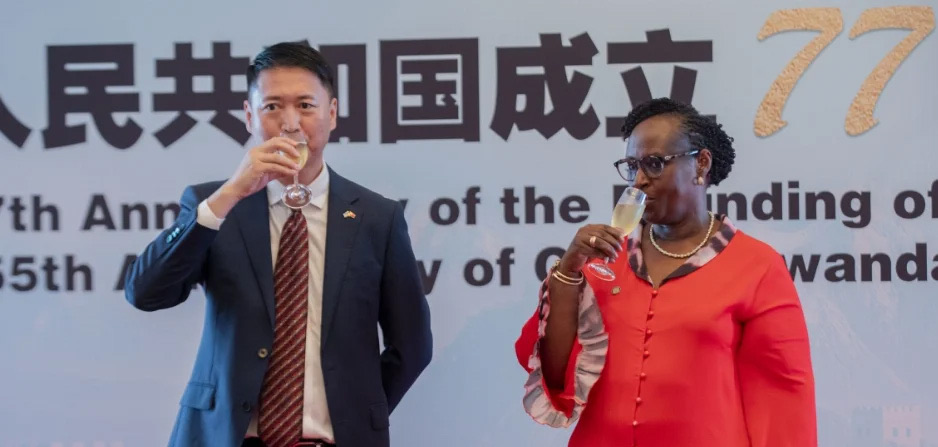
China-Rwanda Economic Ties Expand Through Trade and Investment
China-Rwanda economic cooperation continues to expand, with bilateral trade reaching US$849 million in 2025. Rwanda’s exports to China rose by 42 per cent to US$227 million, according to figures cited by Chinese Ambassador to Rwanda Gao Wenqi on 22 September 2026. China is also Rwanda’s largest source of foreign direct investment, with Chinese companies active in sectors including garments, cement, agriculture, food processing and vehicle assembly. The two countries are marking 55 years of diplomatic relations, and cooperation has also extended to infrastructure, healthcare, education, agriculture and technology. Recent developments include the completion of the Masaka Hospital expansion, continued work on the Prince House-Masaka Road, scholarships for about 150 Rwandan students to study in China this year, and specialised training for more than 300 Rwandan experts.
(Source: The New Times Rwanda)
 Ethiopia
Ethiopia Reports Strong Tourism Earnings as Visitor Numbers Rise
Ethiopia recorded more than 1.6 million international tourist arrivals and over US$5 billion in tourism revenue during the 2018 Ethiopian Fiscal Year (EFY), according to figures reported by the Ethiopian government. These figures point to continued tourism growth as the country seeks to expand the sector’s contribution to the economy through international visitors, cultural and historical attractions, improved infrastructure, and business events. More recent government figures also indicate continued growth in international tourism, with Prime Minister Abiy Ahmed reporting in July 2025 that Ethiopia had recorded its highest-ever number of foreign tourist arrivals. However, the government’s later figures are not directly comparable with the 2018 EFY figures because of differences in the reporting period and measurement.
(Source: 2Merkato)
 Sudan
Sudan
Sudan Seeks Foreign Mining Investment as It Tightens Gold Controls
Sudan has reached preliminary understandings with about 70 Chinese and international companies interested in investing in its mining sector, following meetings at the China Mining Conference and Exhibition in Tianjin earlier this month. Minerals Minister Nour al-Daim Mohamed Ahmed Taha briefed Prime Minister Kamil Idris on the discussions. The government seeks to attract foreign investment, increase state revenues and reduce gold smuggling. The Prime Minister directed authorities to accelerate the regulation of artisanal mining, strengthen oversight of gold production, and allocate resources to establish the Sudan Centre for Mining and Geosciences, which will focus on training local personnel and strengthening technical capacity.
(Source: Sudan Tribune)
 Somalia
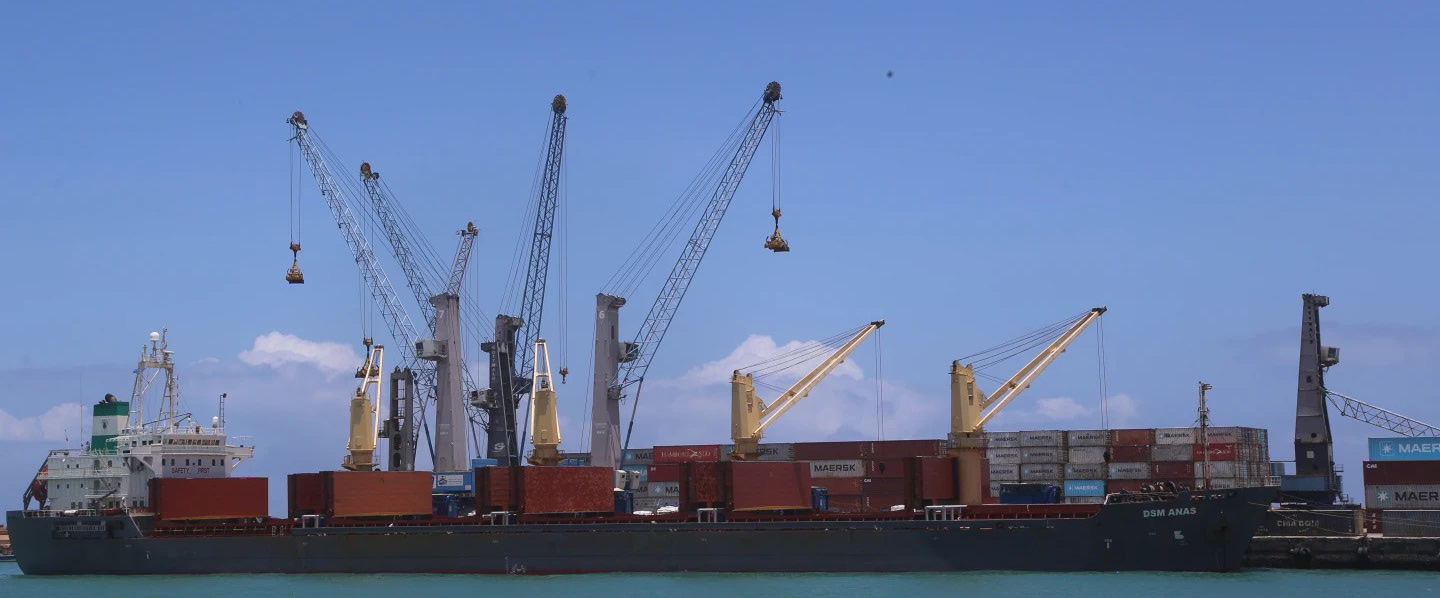
Somalia’s Trade Deficit Widens to US$2.13B in Q1 2026
Somalia’s trade deficit widened to US$2.13 billion in the first quarter of 2026, up from US$1.84 billion in the same period of 2025, as imports continued to outpace exports. Imports rose by 16 per cent, reflecting Somalia’s continued reliance on goods sourced from abroad. At the same time, the widening trade gap highlights the imbalance between the value of goods entering the country and those exported. The latest figures, reported in September 2026, underscore the pressure on Somalia to expand domestic production and strengthen export capacity as it seeks to reduce its dependence on imported goods and improve its external trade position.
(Source: SONNA)
Parliamentary Round-Up
Friday, 25th September 2026 | Vellum Weekly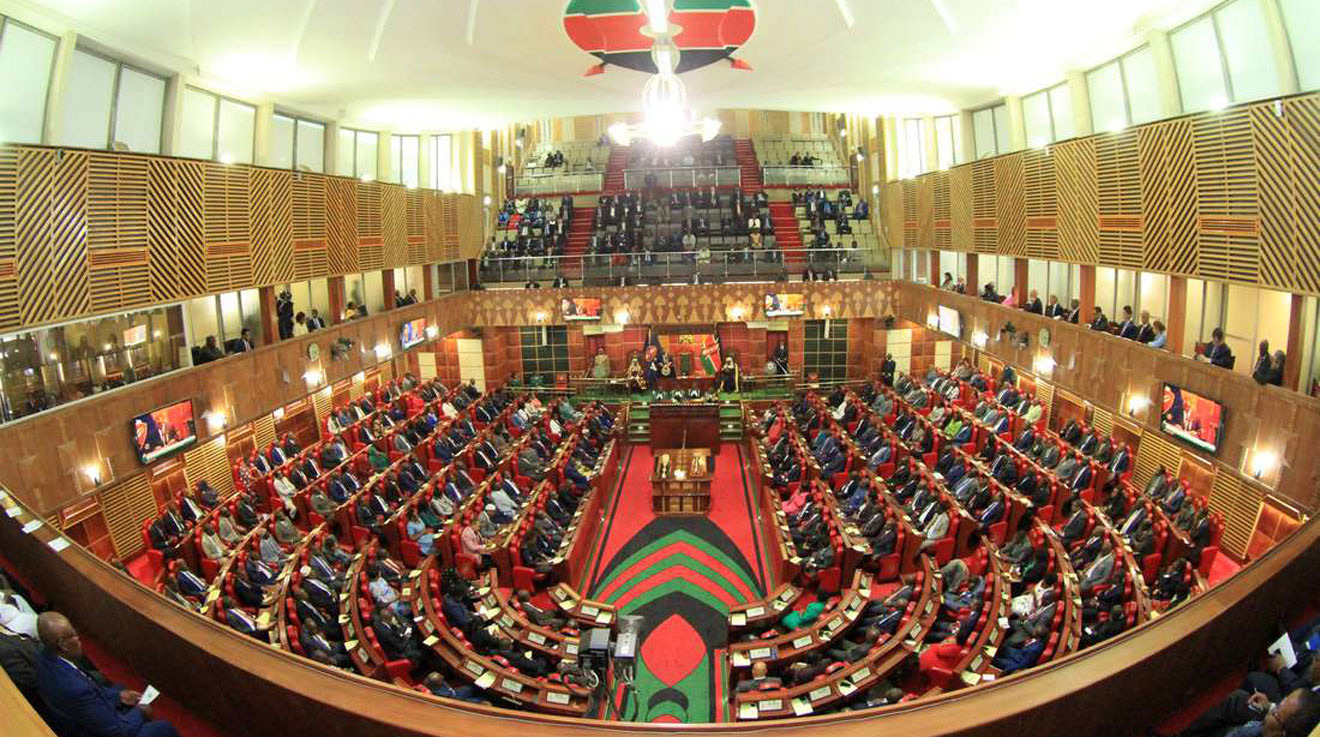
The Senate
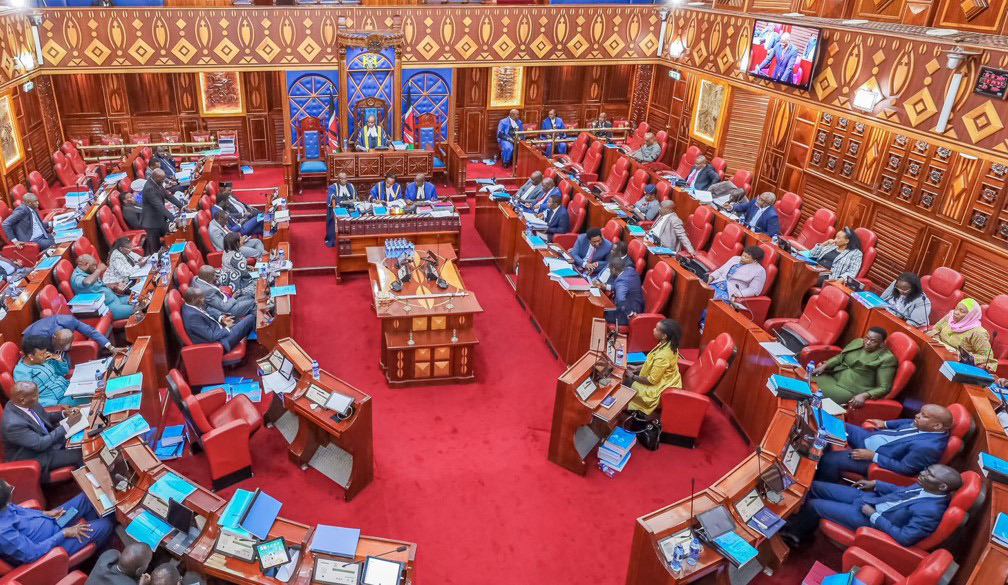
The National Assembly is on recess; plenary proceedings are set to resume on Tuesday, 29 September 2026.
Tuesday, September 22, 2026 Afternoon Session
Bills
- The Basic Education (Amendment) Bill (National Assembly Bill No. 3 of 2025) – First Reading.
- The Public Finance Management (Amendment) Bill (National Assembly Bill No. 17 of 2025) – First Reading.
- The Street Naming and Property Addressing System Bill (Senate Bills No. 43 of 2024) – Second Reading.
- Committee of the Whole: The Referendum Bill (Senate Bills No. 3 of 2026).
- Committee of the Whole: The County Governments Additional Allocations Bill (Senate Bills No. 8 of 2026) – Consideration of National Assembly amendments.
- The Livestock Protection and Sustainability Bill (Senate Bills No. 32 of 2024) – Second Reading.
- The Fisheries Management and Development Bill (National Assembly Bills No. 29 of 2023) – Second Reading.
- The Basic Education (Amendment) Bill (National Assembly Bills No. 59 of 2023) – Second Reading.
- The County Governments (State Officers Removal from Office) Procedure Bill (Senate Bills No. 34 of 2024) – Second Reading.
- The Agriculture and Food Authority (Amendment) Bill (Senate Bills No. 13 of 2023) – Second Reading.
Motions
- Consideration of the National Assembly Amendments to the Kenya Sign Language Bill (Senate Bills No. 9 of 2023).
- Hoja: Ajali ya Feri ya Likoni.
- The County Fiscal Performance Measurement Index (CFPMI) Report 2026.
- Report of the Standing Committee on Justice, Legal Affairs and Human Rights (JLAHR) on a Petition by Mr. Laban Omusundi and Others on the Limitation of the Tenure of Nominated Members of County Assemblies (MCAs) to a Single Term of Five Years.
- Report of the Standing Committee on Justice, Legal Affairs and Human Rights (JLAHR) on a Petition by Mr. Mohamed U. Alasow on the Re-Introduction of the Elections (Amendment) (No. 3) Bill (Senate Bills No. 48 of 2021) to Provide for Election Candidates’ Use of Popular Names on Nomination and Election Ballot Papers.
Wednesday, September 23, 2026 Morning Session
Bill
- The Fisheries Management and Development Bill (National Assembly Bills No. 29 of 2023) – Second Reading.
Motions
- Report of the Standing Committee on Land, Environment and Natural Resources on a Petition by Mr. Hezekiah Kuria Karanja and Others Concerning the Eviction of Korogocho Community Living Along the Nairobi River Corridor After Its Declaration as a Special Planning Area.
- Report of the Standing Committee on Land, Environment and Natural Resources on a Petition by Residents of Kithima Location Concerning Alleged Grabbing of Public Land in Meru County.
- Report of the Standing Committee on Roads, Transportation and Housing on a Petition by Mr. Daniel Rakoro and Others Concerning Public Transport in Lake Victoria Between Mfangano Island in Suba Central Sub-County and Mbita.
Statements Requested
- Question No. 053 by Sen. John Methu: Policy and institutional framework guiding the coordination of youth empowerment interventions, budgetary allocations, and measures to avoid duplication across counties including Nyandarua.
- Question No. 069 by Sen. Hamida Kibwana: Database of sports medalists, social protection and welfare programs for retired sports heroes, heroines, and coaches, and preservation of sports heritage.
- Question No. 078 by Sen. Justice (Rtd.) Stewart Madzayo: Annual statistics on suicides among creatives, mental health tracking databases, and confidential counselling/mental health interventions for creatives in distress.
Wednesday, September 23, 2026 Afternoon Session
Bills
- The Street Naming and Property Addressing System Bill (Senate Bills No. 43 of 2024) – Second Reading.
- The Fisheries Management and Development Bill (National Assembly Bills No. 29 of 2023) – Second Reading.
- Committee of the Whole: The Referendum Bill (Senate Bills No. 3 of 2026).
- Committee of the Whole: The County Governments Additional Allocations Bill (Senate Bills No. 8 of 2026) – Consideration of National Assembly amendments.
- The Livestock Protection and Sustainability Bill (Senate Bills No. 32 of 2024) – Second Reading.
- The County Wards (Equitable Development) Bill (Senate Bills No. 20 of 2024) – Second Reading.
- The County Governments (Amendment) Bill (Senate Bills No. 5 of 2026) – Second Reading.
- The Quality Healthcare and Patients Safety Bill (National Assembly Bills No. 41 of 2025) – Second Reading.
Motions
- Hoja: Ajali ya Feri ya Likoni.
- The County Fiscal Performance Measurement Index (CFPMI) Report 2026.
- Report of the Standing Committee on Justice, Legal Affairs and Human Rights (JLAHR) on a Petition by Mr. Laban Omusundi and Others on the Limitation of the Tenure of Nominated Members of County Assemblies (MCAs) to a Single Term of Five Years.
- Report of the Standing Committee on Justice, Legal Affairs and Human Rights (JLAHR) on a Petition by Mr. Mohamed U. Alasow on the Re-Introduction of the Elections (Amendment) (No. 3) Bill (Senate Bills No. 48 of 2021) to Provide for Election Candidates’ Use of Popular Names on Nomination and Election Ballot Papers.
- Report of the Standing Committee on Land, Environment and Natural Resources on a Petition by the Cultural Environmental Care Society Concerning Conversion of L.R. No. 209/2378/1 Pumwani Majengo from Public to Private Land.
- Report of the Standing Committee on Land, Environment and Natural Resources on a Petition by the Single Mothers Association of Kenya Concerning Their Eviction from Property Ref. No: CP & ARCH/00219, Excision of L.R. No. 209/6738 in Ziwani Ward in Nairobi County.
Thursday, September 24, 2026 Afternoon Session
Bills
- The Street Naming and Property Addressing System Bill (Senate Bills No. 43 of 2024) – Second Reading.
- The Fisheries Management and Development Bill (National Assembly Bills No. 29 of 2023) – Second Reading.
- Committee of the Whole: The County Governments Additional Allocations Bill (Senate Bills No. 8 of 2026) – Consideration of National Assembly amendments.
- The Livestock Protection and Sustainability Bill (Senate Bills No. 32 of 2024) – Second Reading.
- The Basic Education (Amendment) Bill (National Assembly Bills No. 59 of 2023) – Second Reading.
- The County Governments (State Officers Removal from Office) Procedure Bill (Senate Bills No. 34 of 2024) – Second Reading.
- The Agriculture and Food Authority (Amendment) Bill (Senate Bills No. 13 of 2023) – Second Reading.
- The County Wards (Equitable Development) Bill (Senate Bills No. 20 of 2024) – Second Reading.
- The County Governments (Amendment) Bill (Senate Bills No. 5 of 2026) – Second Reading.
- The Quality Healthcare and Patients Safety Bill (National Assembly Bills No. 41 of 2025) – Second Reading.
Motions
- The County Fiscal Performance Measurement Index (CFPMI) Report 2026.
- Hoja: Ajali ya Feri ya Likoni.
- Report of the Standing Committee on Justice, Legal Affairs and Human Rights (JLAHR) on a Petition by Mr. Laban Omusundi and Others on the Limitation of the Tenure of Nominated Members of County Assemblies (MCAs) to a Single Term of Five Years.
- Report of the Standing Committee on Justice, Legal Affairs and Human Rights (JLAHR) on a Petition by Mr. Mohamed U. Alasow on the Re-Introduction of the Elections (Amendment) (No. 3) Bill (Senate Bills No. 48 of 2021) to Provide for Election Candidates’ Use of Popular Names on Nomination and Election Ballot Papers.
- Delinking Junior Secondary Schools from Primary Schools.
- Improving Access to Clean Water and Sanitation Services in Informal Settlements in Nairobi City County and Other Counties.
Finger on the Pulse
Friday, 25th September 2026 | Vellum Weekly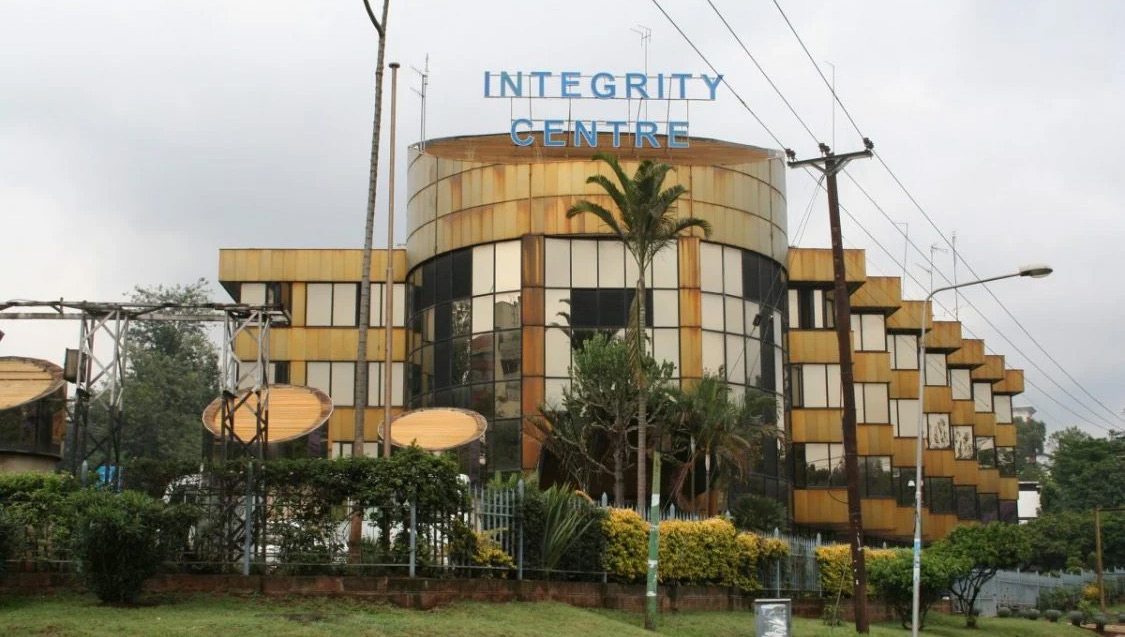
EACC Seeks KSh407.9M Recovery Over Nairobi County Payments
The Ethics and Anti-Corruption Commission (EACC) is seeking to recover KSh407.9 million allegedly lost by the Nairobi City County Government through irregular payments to 14 business entities. The Commission has filed nine recovery suits before the High Court’s Anti-Corruption and Economic Crimes Division, naming 12 county officials. According to the EACC, the officials approved payments between the 2016/17 and 2021/22 financial years for goods and services that were allegedly never delivered to the county. The Commission’s recovery action centres on payments made despite the absence of the goods and services for which the county funds were disbursed. The cases seek to recover the alleged loss from the parties named in the proceedings and form part of the EACC’s efforts to recover public funds through civil proceedings before the courts. The Commission’s allegations are set out in the recovery suits and remain subject to determination by the court.
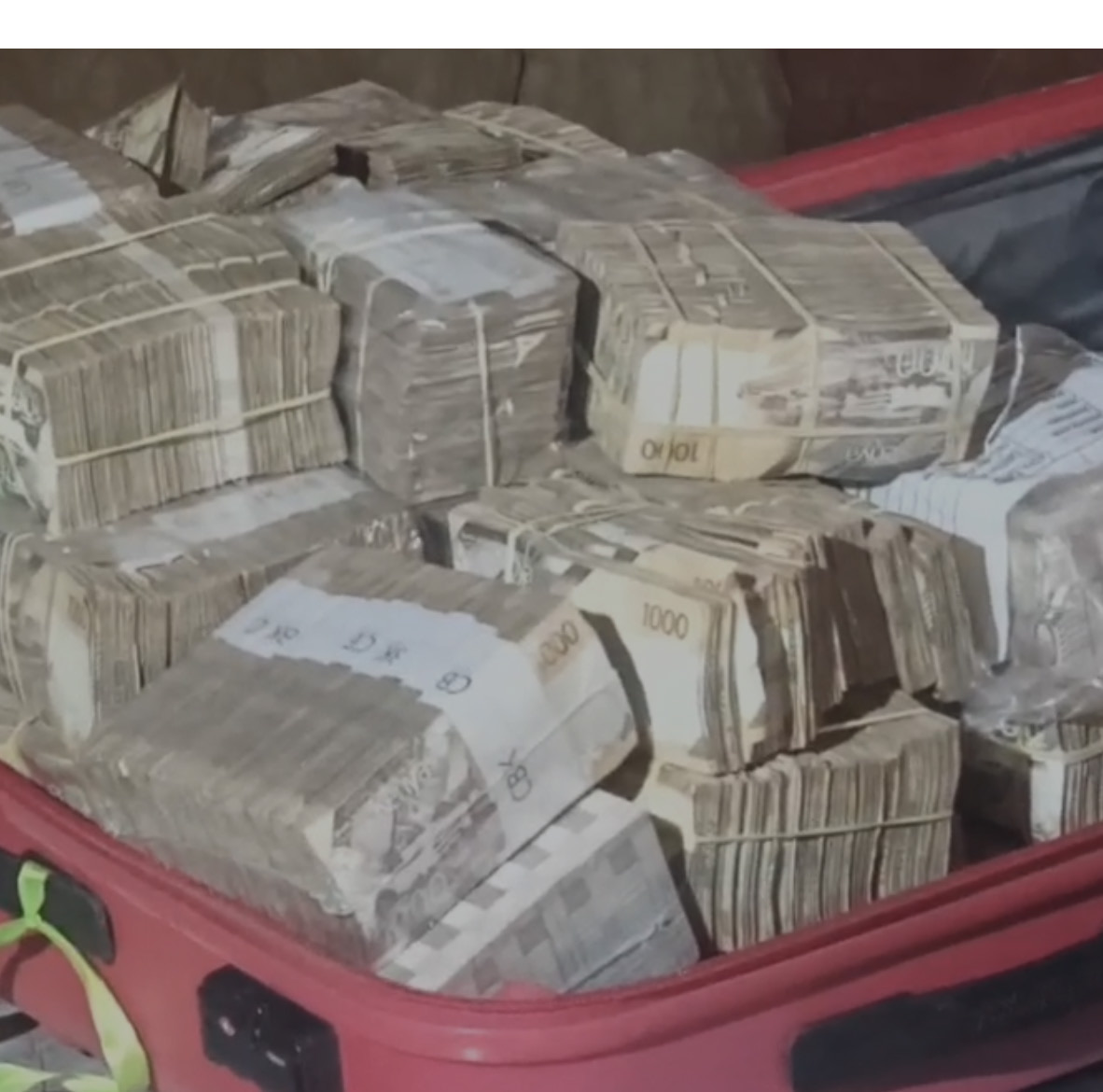
The EACC also alleges that the payments were made to 14 business entities that had not been prequalified by the Nairobi City County Government to supply goods and services. The commission’s case therefore concerns the circumstances surrounding the approval and payment of the transactions, including the alleged failure of the county to receive the goods and services for which payment was made and the fact that the recipient businesses had not been prequalified as county suppliers. The transactions under investigation span six financial years, from 2016/17 through 2021/22, and are the subject of nine suits filed in the High Court’s Anti-Corruption and Economic Crimes Division. Through these proceedings, the EACC is seeking to recover the KSh407.9 million it alleges was lost by Nairobi County, while the allegations against the officials and business entities named in the cases remain matters for determination through the judicial process.
(Source: Daily Nation)
Who is Who
Friday, 25th September 2026 | Vellum WeeklyFahima Araphat Abdallah, OGW
Vice Chairperson, IEBC
Fahima Araphat Abdallah made history in July 2025 by being elected Vice Chairperson of the Independent Electoral and Boundaries Commission (IEBC), becoming the youngest person ever to hold the position. Her elevation came as the Commission began rebuilding public confidence and preparing for the 2027 General Election, following a prolonged period without a fully constituted Commission. In 2026, she also led the IEBC team in presenting the Commission’s 2027 budget estimates to Parliament’s Justice and Legal Affairs Committee (JLAC), underscoring her growing role in the institution’s leadership.
Although one of the Commission’s youngest members, Abdallah brings experience across law, governance, public administration, and electoral management. Before joining the IEBC, she built her legal career in both public and private practice, specialising in constitutional law, governance, public procurement, and dispute resolution. She has held leadership roles in the legal profession and has been recognised for her contribution to public service, receiving the Order of the Grand Warrior (OGW). Since assuming office, she has represented the Commission at regional and international electoral engagements, including election observation, electoral technology exchanges, and governance forums, underscoring the IEBC’s commitment to strengthening institutional capacity ahead of the next electoral cycle.
Abdallah holds a Bachelor of Laws (LL.B.) from the University of Nairobi and a Postgraduate Diploma in Law from the Kenya School of Law, qualifying her for admission to the Advocates of the High Court of Kenya. She has also undertaken professional development in governance, public policy, leadership, and electoral management, complementing her legal training with practical experience in public institutions and constitutional governance.
Today, Abdallah holds one of the country’s most closely watched constitutional offices. As Kenya moves steadily towards the 2027 General Election, the IEBC faces heightened expectations to deliver a credible, transparent, and inclusive electoral process. As Vice Chairperson, she will play a central role in strengthening the Commission’s institutional capacity, enhancing stakeholder confidence, and supporting the delivery of elections that uphold the Constitution and reinforce public trust in Kenya’s democratic institutions.